ALPACA CARE · NUTRITION
What Do Alpacas Eat? A Practical Feeding Guide
Alpacas primarily eat grass and hay. Most healthy adults do best with a forage-based diet, constant access to clean water, and minerals formulated for camelids when appropriate. Grain, pellets, alfalfa and treats are not automatically necessary: the right extras depend on the animal, its body condition and the nutritional quality of its forage.
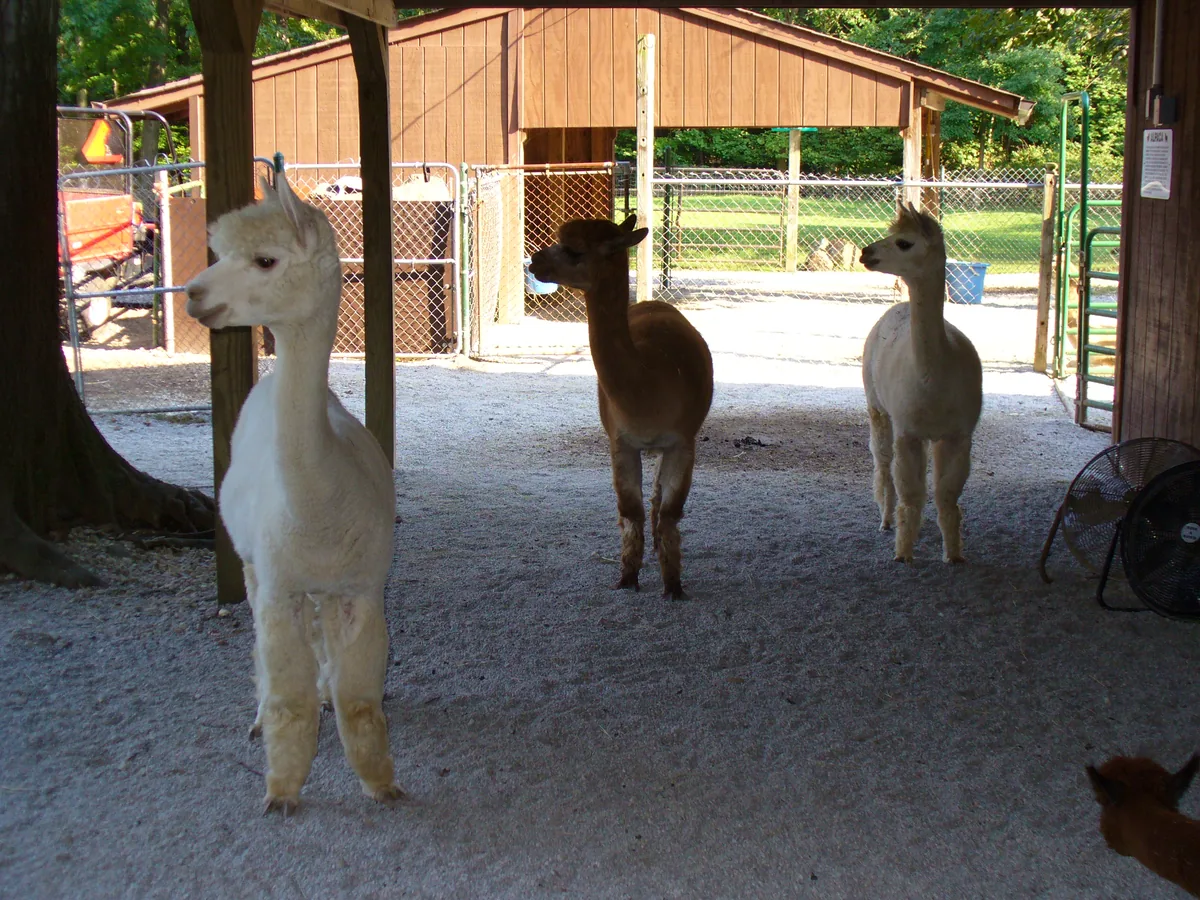
What Is a Normal Alpaca Diet?
An alpaca is a camelid, not a sheep or a goat. Its three-compartment forestomach supports microbial fermentation of fibrous plants. That makes roughage the mainstay of its diet. Alpacas graze short grasses and also select suitable broadleaf plants and other vegetation in pasture. The exact mixture varies by farm, season and pasture management.
Good pasture can supply much of an adult alpaca’s nutrition during the growing season. It must be free of dangerous plants and managed to limit overgrazing and excessive exposure to parasites. Lush green grass is not automatically balanced feed: protein, energy and mineral content change with the grasses present, soil conditions and maturity.
Grass hay is the dependable backup whenever pasture is sparse, dormant, muddy or otherwise unsuitable. Choose clean, dry, palatable hay without visible mold or dust. Orchardgrass and other suitable grass hays may work well, but the label or species name alone cannot tell you whether a particular cutting meets the herd’s needs. A forage test is more informative.
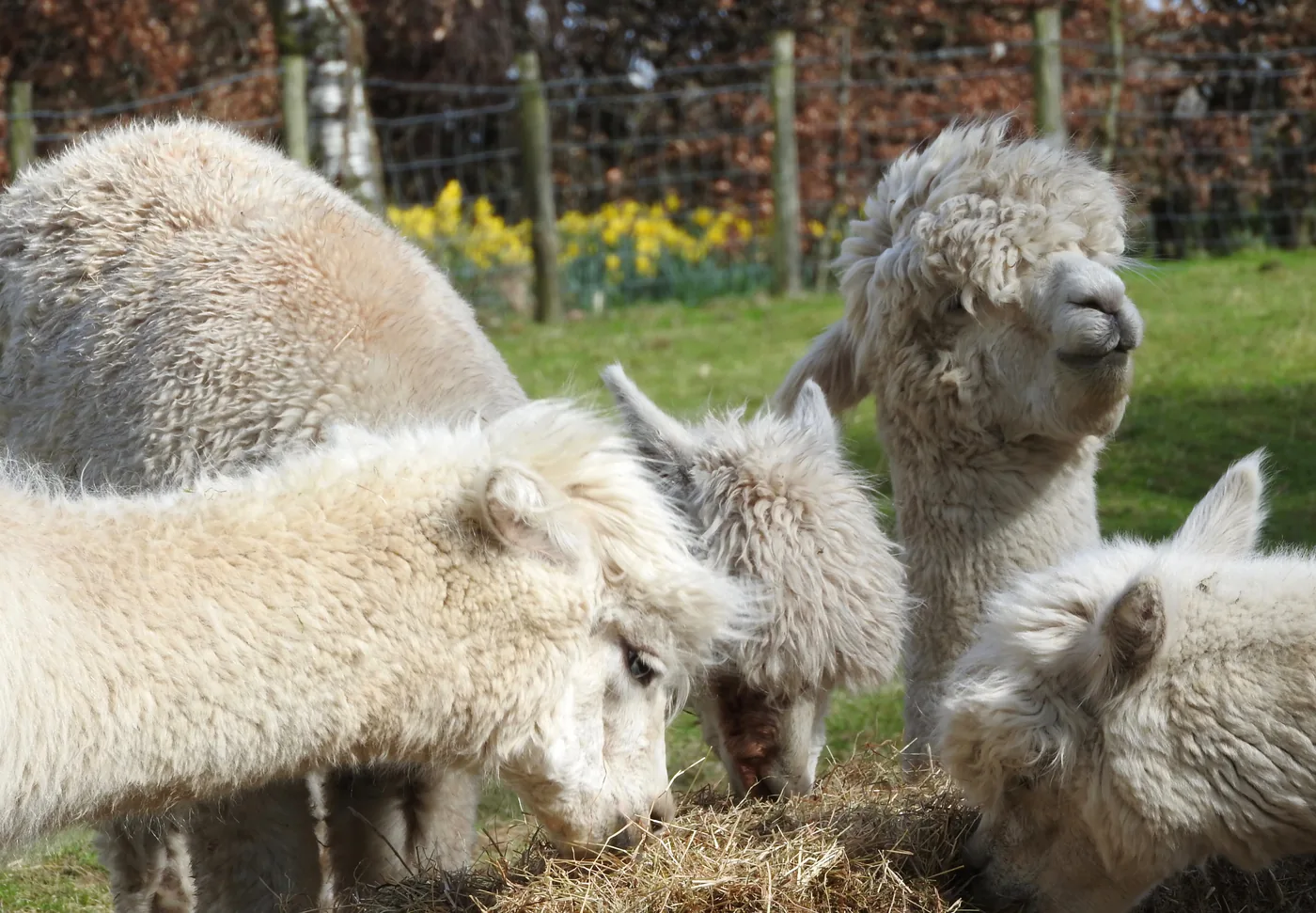
Food and water: the everyday essentials
| Item | Role | Practical note |
|---|---|---|
| Pasture grass | Primary forage when available | Check grazing condition, toxic plants and pasture pressure |
| Good-quality grass hay | Year-round roughage or pasture replacement | Keep it clean, dry and accessible to shy animals |
| Fresh drinking water | Essential for digestion and health | Keep containers clean and check more frequently in heat |
| Camelid-appropriate minerals | Correct documented gaps in forage | Match the product to forage, region and veterinary advice |
| Concentrates or alfalfa | Targeted extra protein or energy | Useful for some individuals, unnecessary or excessive for others |
How Much Do Alpacas Eat Per Day?
A common starting estimate is about 1.8–2% of body weight in dry matter daily, but it is not a fixed ration. “Dry matter” means the feed with its water removed. Fresh pasture contains much more water than hay, so a pound of pasture is not equivalent to a pound of dry hay. Published husbandry guidelines use slightly different ranges, and individual appetite changes with growth, pregnancy, nursing, weather and forage digestibility.
For example, at 2% dry-matter intake, a 150-pound adult would consume about 3 pounds of feed dry matter per day. That is a calculation to help interpret forage and feeding plans, not a recommendation to measure exactly three pounds of hay into a feeder or restrict grazing. Actual hay offered must account for moisture and waste. Many owners make appropriate forage available freely and adjust management using weight and body-condition trends.
Track individual condition by feeling along the spine and comparing consistently over time. A heavy fleece can conceal both thinness and excess weight. If one alpaca is losing condition while others look fine, watch whether it can reach the feeder and chew comfortably before simply increasing concentrates for the whole herd.
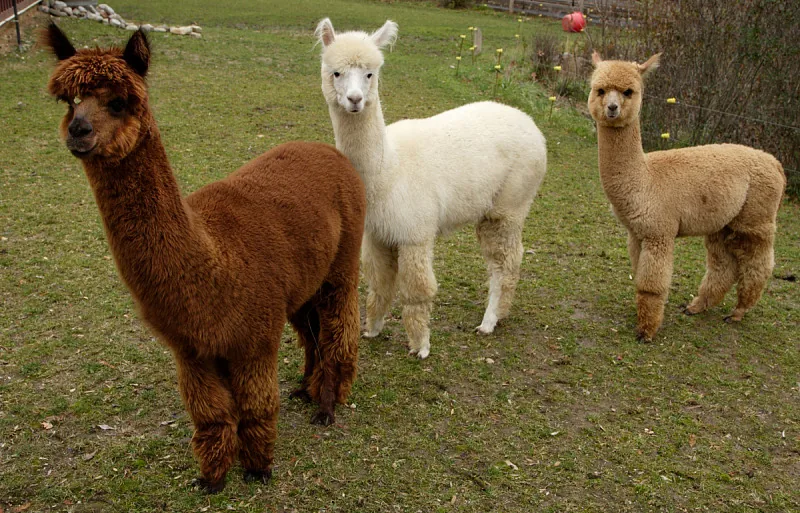
Do Alpacas Need Alfalfa, Pellets or Mineral Supplements?
Alfalfa: useful in some situations, not a default diet
Alfalfa is a legume forage that tends to be richer in protein and calcium than many grass hays. It may help certain growing, pregnant, lactating or underconditioned animals when a formulated plan indicates it. For a healthy adult maintaining condition on sufficient grass forage, a large amount of alfalfa may be unnecessary. Choose a ration based on forage analysis, not the assumption that richer hay is always better.
Pellets and grain: use with a purpose
Commercial alpaca pellets can supply vitamins, minerals or calories when needed. They should not displace the forage that supports normal digestion. Avoid abrupt feeding changes and do not substitute arbitrary horse, cattle or poultry feeds. Too much starchy concentrate can disturb digestive function, and some mineral mixes intended for other species may provide inappropriate amounts of trace elements.
Minerals: both deficiencies and excesses matter
Pasture and hay mineral profiles vary across soils and regions. Copper and selenium are examples of nutrients where both too little and too much can cause harm. A product marketed as a “livestock mineral” is not necessarily suitable for alpacas. Ask a veterinarian or nutritionist familiar with camelids to interpret forage testing and recommend a suitable mineral strategy, including whether loose minerals or a formulated pellet is appropriate.
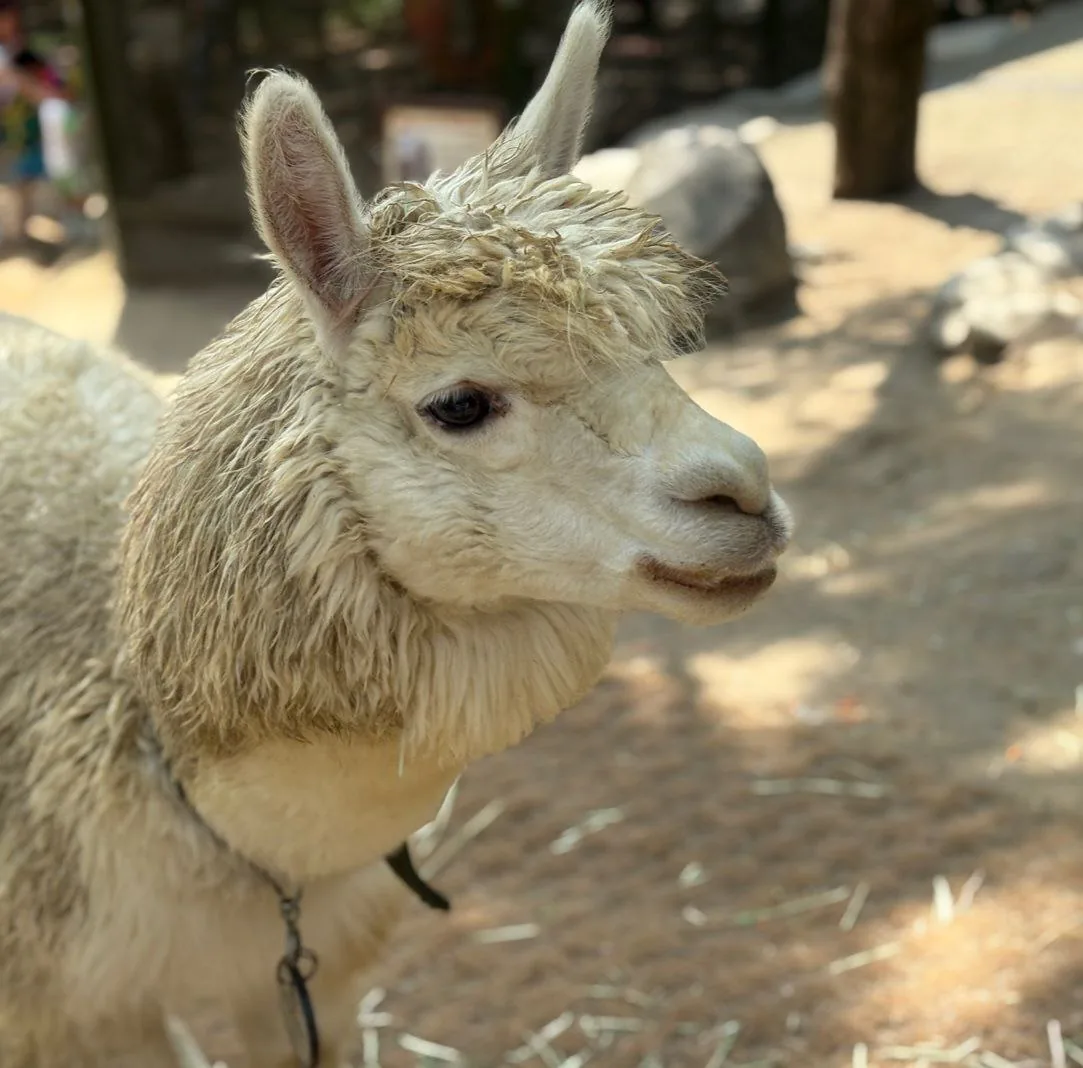
Can Alpacas Eat Carrots, Apples or Other Treats?
Some farms offer tiny pieces of carrot or apple as occasional rewards, but alpacas do not need fruit or vegetables to be healthy. Recommendations differ across husbandry organizations, and there are legitimate concerns about choking, high sugar intake and digestive upset. The safest default for visitors and inexperienced keepers is not to hand-feed human foods.
If a farm’s veterinarian has approved a specific treat, it should be infrequent, cut into small manageable pieces and offered under supervision. Never give large hard chunks, and never push food into an alpaca’s mouth. Do not let visitors feed snacks over fences or toss food into the pasture.
Foods and substances to keep away
- Moldy or spoiled hay and feed: mold and contamination can seriously harm livestock.
- Bread, sweets, large portions of fruit and starchy kitchen scraps: these are not suitable staples and can disrupt a forage-based diet.
- Unknown garden clippings and ornamental plants: do not assume a plant is safe because another farm animal eats it.
- Known poisonous ornamentals: oleander, rhododendron and azalea are examples of plants that must not be accessible to grazing alpacas.
- Unverified livestock supplements: products made for a different species may not have the right mineral profile.
Plant exposure is a veterinary problem, not something to diagnose from a photograph. If you suspect an alpaca has eaten a toxic plant, remove access and contact your veterinarian or an animal poison resource promptly. Do not wait for symptoms or try a home antidote.
Feeding Alpacas in the Southeastern United States
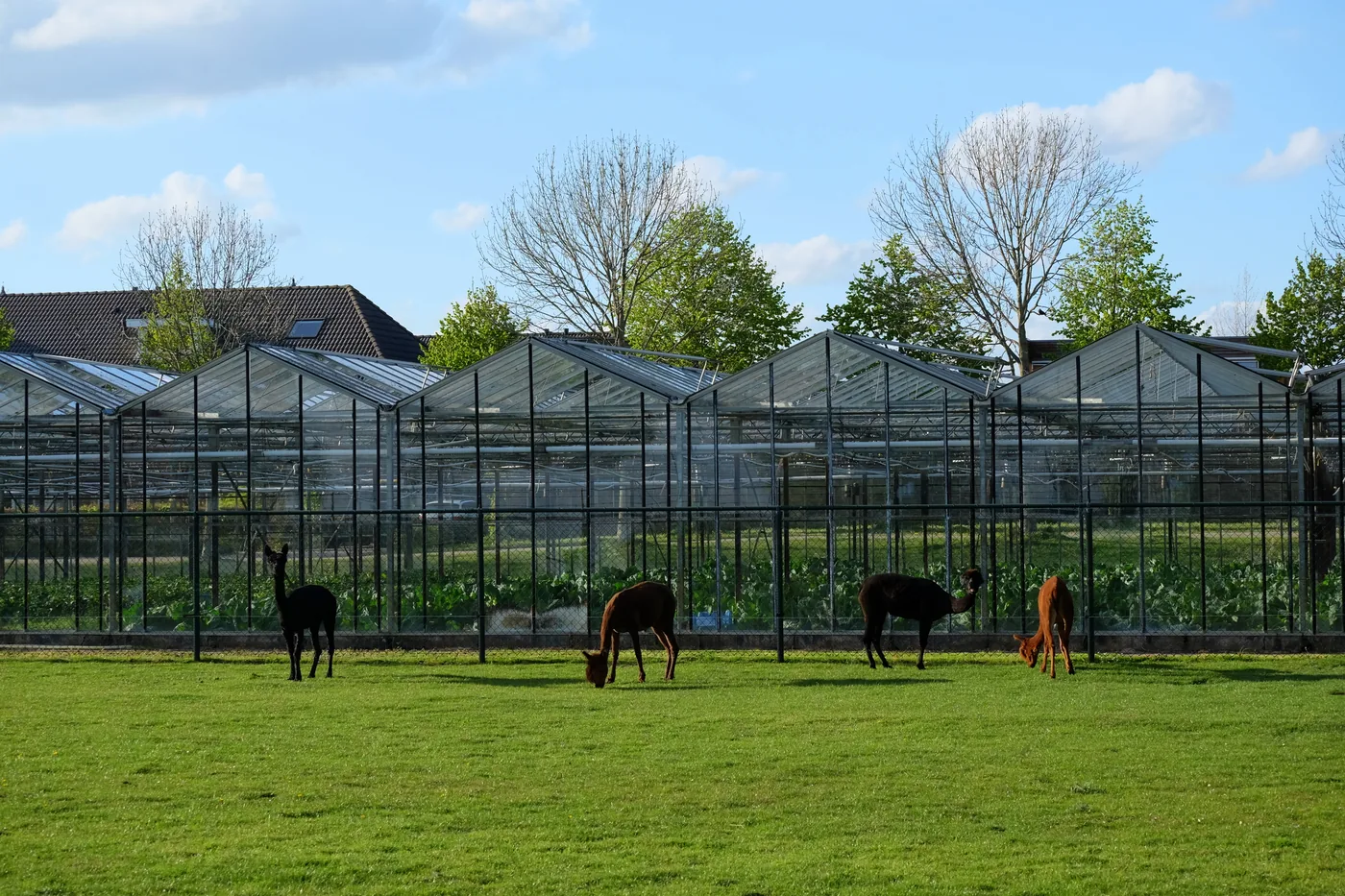
In Georgia, Florida, Alabama, the Carolinas, Tennessee and neighboring states, a good feeding plan changes with both pasture conditions and weather. Warm-season grasses may grow vigorously in summer, then lose quality as they mature. Other pastures have seasonal gaps in forage production. A reliable hay supply matters even on a farm with plenty of acreage.
Summer: water and heat are part of the feeding plan
Hot, humid weather can make adequate water intake especially important. Provide clean water in multiple accessible locations when practical, check troughs often and make shade and airflow available. Heat-stressed animals may reduce feed intake; that requires attention to the environment and possibly veterinary assessment, not simply a switch to richer grain. Read our alpaca care guide for broader summer management.
Fall and winter: do not mistake green-looking pasture for enough nutrition
As forage growth slows or pasture quality declines, inspect grazing height and condition, offer hay proactively and consider forage testing. Wet weather can increase hay waste and spoilage if feeding areas are poorly drained. Store bales off the ground, protected from moisture and accessible without forcing animals to compete.
Parasites and pasture hygiene
Overgrazing, heavy use of feeding areas and persistent dampness can compound health challenges. Rotate or rest paddocks where feasible, keep feeding surfaces cleaner than surrounding mud and use veterinary-guided parasite monitoring. A large appetite or access to pasture is not proof that an animal is absorbing enough nutrition.
How to Tell When an Alpaca’s Diet Needs Attention
Healthy adult alpacas commonly spend much of their day foraging and chewing cud. Watch changes relative to that animal’s usual routine, not just whether the feed bin is empty.
| What you notice | What to check first |
|---|---|
| Gradual weight or muscle loss | Body condition, feeder access, forage quality, teeth and veterinary causes |
| Dropping feed or chewing strangely | Dental discomfort or another oral problem; arrange assessment |
| Some animals eat while one hangs back | Social competition, feeder space and possible illness |
| Loose manure after a feed change | Recent diet changes, contamination and potential illness |
| Reduced appetite during hot weather | Heat stress, water access and other medical causes |
Urgent veterinary signs include refusal to eat, marked weakness, difficulty standing, severe diarrhea, abnormal breathing or sudden neurologic changes. Do not treat these as a minor nutrition problem or wait to see whether a new feed fixes them.
Simple Daily Feeding Checklist
- Refill and inspect clean drinking water.
- Check that safe pasture or clean forage is available to every animal.
- Remove wet, spoiled or moldy feed promptly.
- Look for individuals staying away from the feeding group.
- Check hay storage, troughs and pasture for contamination or toxic plants.
- Record meaningful changes in appetite, manure and body condition.
For a new herd, put these routines alongside your broader plan for responsible alpaca ownership. For a long-term perspective, see how long alpacas live.
Frequently Asked Questions
Do alpacas eat only grass?
No. Grass and hay are the main foods, but alpacas can select other suitable pasture plants and may need supplements if forage cannot meet individual nutritional requirements.
Can alpacas live on hay alone?
High-quality hay can provide most or all of the forage portion of the diet, but it does not remove the need for clean water, appropriate minerals and regular checks of body condition. Whether a particular hay is nutritionally adequate should be evaluated rather than assumed.
Do alpacas need grain every day?
Not necessarily. A healthy adult maintaining good condition on suitable forage may not require extra grain or concentrates. Growing, nursing, pregnant or underconditioned animals may have different needs.
How much hay does an alpaca eat?
Intake depends on body weight, hay moisture and quality, access to pasture and the animal’s life stage. Dry-matter intake around 1.8–2% of body weight is a useful reference, not a fixed hay allowance.
Can you feed alpacas apples and carrots?
Occasional very small pieces are used on some farms, but they are not essential, and some husbandry guidance advises against human foods entirely. Avoid routine treats, choking hazards and unsupervised visitor feeding; follow your own veterinarian’s guidance.
Can alpacas eat alfalfa?
Yes, in an appropriately formulated ration. Alfalfa is relatively rich feed and is generally best reserved for animals that need its nutritional contribution rather than offered indiscriminately to the entire herd.
What should alpacas drink?
Fresh, clean water should always be accessible. Needs change with body weight, diet, weather and physiological state, so monitor water supply especially closely during hot, humid periods.