ALPACA HEALTH & LONG-TERM CARE
How Long Do Alpacas Live? Lifespan and Senior Alpaca Care
Alpacas typically live about 15 to 20 years. With attentive care, some live into their early or mid-20s. That makes bringing alpacas home a long-term commitment, not a short-lived farm project. The most important influences on their health are appropriate nutrition, herd companionship, regular veterinary care, protection from parasites and weather, and noticing changes before they become emergencies.
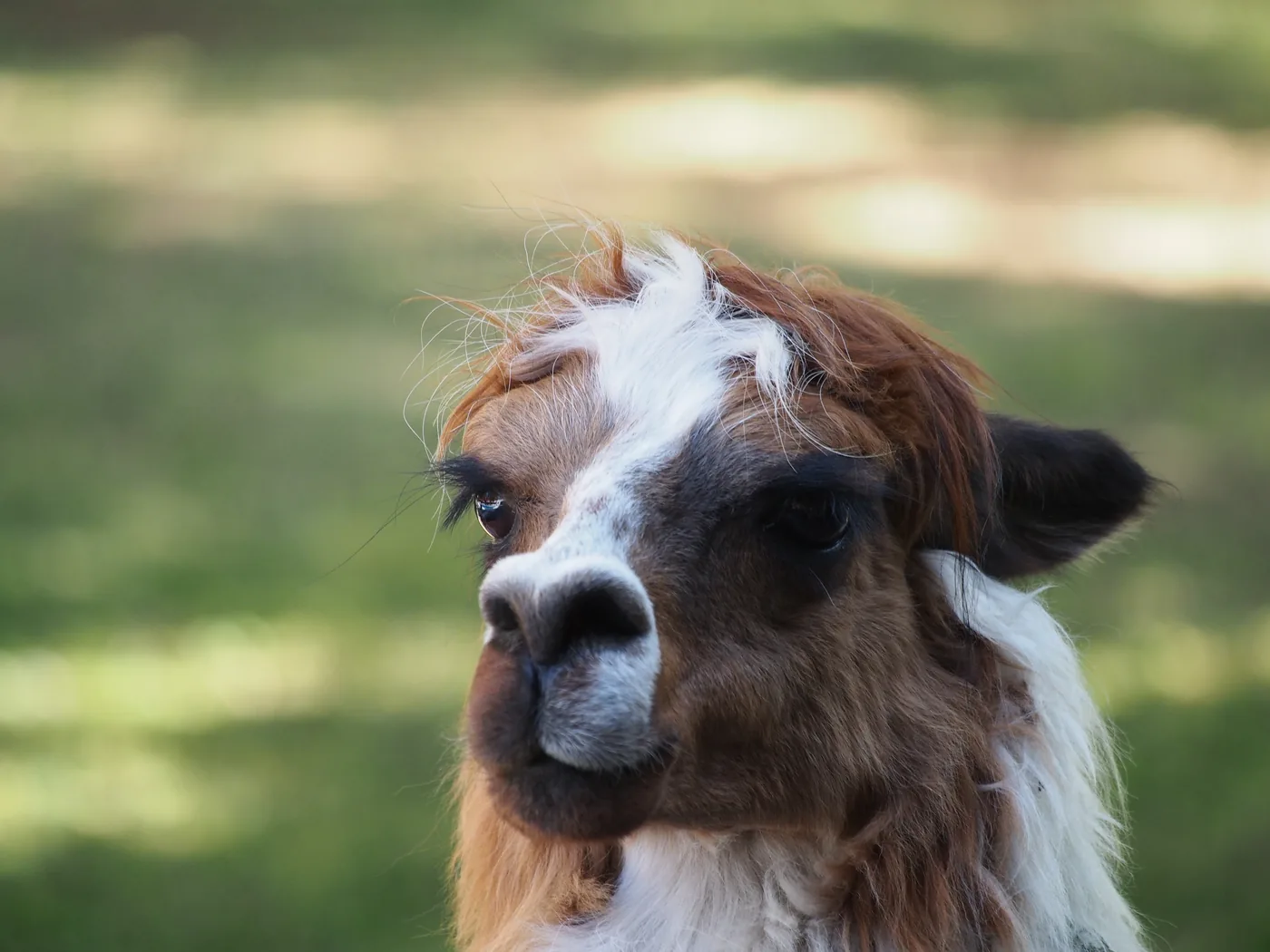
- Typical lifespan: approximately 15–20 years.
- Some individuals: live beyond 20 years; exceptional ages are not the norm.
- Both varieties: Huacaya and Suri alpacas need lifelong husbandry and preventive care.
- For a new owner: plan housing, companionship, veterinary costs, and an eventual senior-care routine for two decades or more.
What Is the Typical Lifespan of an Alpaca?
Penn State Extension describes the alpaca lifespan as 15 to 20 years with proper care. Rutgers Cooperative Extension gives a broader range of approximately 15 to 25 years. These are useful planning ranges, not a promise about any individual animal. Genetics, previous health history, nutrition, accidents, disease, and daily management all influence how long an alpaca lives.
In other words, reaching 20 is possible, but a farm should not treat every animal as guaranteed to reach that age. And an alpaca that reaches 15 is not automatically “at the end of its life.” What matters is its actual condition: whether it maintains weight, moves comfortably, eats normally, interacts with the herd, and recovers well from seasonal stresses.
What is the oldest known alpaca?
Guinness World Records verified an alpaca named Hawthornden Wainui in New Zealand at 27 years and 267 days old on September 26, 2025. That is an exceptional documented age, not a realistic average to use when estimating the lifespan of a new animal. Individual records may change, so a record-holder should never replace normal veterinary expectations.
What Affects How Long Alpacas Live?
There is no single feed, supplement, or management trick that guarantees a longer life. Long-term well-being comes from doing many ordinary things consistently.
1. Good forage and the right body condition
Alpacas are grazing camelids. The foundation of their diet is suitable pasture and hay, with mineral supplementation tailored to local forage and veterinary guidance. A diet should be adjusted for age, workload, pregnancy, weather, and body condition. More grain is not automatically better.
Because heavy fleece can hide both thinness and excess fat, owners should learn to feel body condition along the backbone and ribs rather than judging a fluffy silhouette from a distance. Sudden or persistent weight loss warrants attention, especially in a senior animal.
2. Early recognition of illness
Alpacas may show subtle signs when unwell. Eating a little less, lagging behind the herd, lying down more, separating from companions, or moving stiffly can matter even if the animal is still standing. Establish what normal looks like for each alpaca so changes are easier to detect.
3. Parasite management that matches the farm
Internal parasites can have serious consequences. Control should be based on veterinary advice, pasture conditions, testing when appropriate, and the history of your herd. Repeatedly giving the same dewormer to every animal without a plan is not a substitute for an effective parasite-management program and can contribute to drug resistance.
4. Dental and foot care
Difficulty chewing, dropping feed, or a change in appetite may signal a dental problem. Toenails also require monitoring because growth and wear differ between animals and ground conditions. Senior alpacas may need more frequent individual assessments, not necessarily a one-size-fits-all schedule.
5. Shelter, safe fencing, and herd life
Alpacas are social herd animals. A healthy living environment includes compatible alpaca companions, room to move, clean drinking water, safe fencing, and shelter from harsh conditions. Predator protection and safe handling reduce avoidable injury and stress. If you are considering your first herd, start with our alpaca care guide and alpaca introduction.
Alpaca Life Stages: What Changes Over Time?
Alpacas do not age on an exact human-style calendar. The categories below are practical care phases, not official biological cutoffs or a way to diagnose old age.
| Life phase | What owners should focus on |
|---|---|
| Cria (newborn and nursing) | Timely nursing, growth, a dry and safe environment, and veterinary advice whenever feeding or development is abnormal. |
| Growing juvenile | Appropriate forage, steady growth, herd socialization, routine handling, and preventive care. |
| Mature adult | Body condition, fiber and shearing management, dental and foot checks, parasite control, and breeding decisions where relevant. |
| Older adult | More attentive tracking of weight, mobility, teeth, feeding access, and chronic medical concerns. |
For information about the very beginning of the life cycle, see our guide to baby alpacas and crias.
How to Care for a Senior Alpaca
An older alpaca does not necessarily require an entirely different lifestyle. Many thrive within a familiar herd. What changes is the need for close observation and individualized adjustments.
Track trends, not just single observations
Keep simple records of weight or consistent body-condition scores, appetite, activity, shearing dates, and any diagnosed problems. Compare an alpaca with its own history rather than the appearance of its youngest herd mate. A gradual downward trend can be more informative than a single measurement.
Make sure it can actually eat
Even when feed is available, an older or slower alpaca may be pushed away from desirable hay by more assertive animals. Watch the herd at feeding time. Offer enough feeding space, and ask your veterinarian about an individualized feeding plan if the animal has trouble maintaining condition or chewing.
Take changes in movement seriously
Difficulty rising, reluctance to walk, stumbling, persistent lameness, or an altered stance should be evaluated rather than dismissed as “just old age.” Pain, neurologic conditions, injury, foot problems, and other diseases may look similar without an examination.
Arrange veterinary checks around the individual
A veterinarian familiar with camelids can help decide when to examine teeth, run diagnostic tests, address chronic conditions, or revisit parasite prevention. Veterinary care is especially important when appetite, feces, breathing, coordination, or behavior changes unexpectedly.
Longevity Challenges for Alpacas in the Southeastern United States
Alpacas evolved in cooler, high-altitude environments. The humid summers common across Georgia, Florida, Alabama, the Carolinas, Tennessee, and other southeastern states make heat management especially important. Older alpacas, animals in poor body condition, and those with other health problems may have less margin for coping with extreme weather.
Heat and humidity
Provide reliable shade, plentiful clean water, airflow, and opportunities to avoid the hottest parts of the day. Appropriate shearing is an essential part of warm-season management. Monitor animals closely during humid spells: distress may appear even when the air temperature alone does not seem extraordinary.
Move handling, transport, or other stressful tasks to cooler periods when possible. Ask a camelid veterinarian for farm-specific heat-risk planning rather than relying on an arbitrary universal temperature cutoff.
Pastures and parasites
Warm, wet conditions can support parasite exposure. The Southeast also has white-tailed deer and environments in which Parelaphostrongylus tenuis (meningeal worm) can be relevant to camelid health. Risk varies by location and management. Work with your veterinarian on prevention, appropriate surveillance, and the significance of new neurologic signs. Do not assume that a routine deworming schedule guarantees protection.
Seasonal routines matter
Keep water sources clean, monitor pasture quality and mud, maintain shelter, and check that vulnerable animals can reach feed without competition. Revisit the plan as each animal ages and as conditions change. For broader husbandry topics, use our complete care guide.
How to Plan for a Two-Decade Commitment
Before bringing home alpacas, think past the excitement of the first summer. Will the farm have safe fencing, year-round water, suitable forage, a shearing arrangement, access to a camelid veterinarian, and room for social companionship? Can you care for an older animal with limited mobility or special feeding needs?
Alpacas can be rewarding to keep for many years. Planning for their later years is part of responsible ownership, not a problem to postpone until they look old. Owners exploring the practical side of keeping a herd may also find who buys alpacas and our financial introduction useful.
Frequently Asked Questions
Do alpacas live for 20 years?
Many alpacas can reach around 20 years with suitable care, but not every animal does. The commonly cited lifespan is about 15–20 years, with some living longer.
Can alpacas live to 25?
Yes, reaching 25 is possible, though it is not typical. An alpaca's overall health and daily needs are more important than judging it by a target age.
Do Huacaya and Suri alpacas have different lifespans?
Both are varieties of the same domestic alpaca species. There is no good basis for promising a meaningful lifespan difference based on fleece type alone. Individual health and management are more useful considerations.
How do I know when my alpaca is getting old?
Age is one clue, but changes in weight, muscle condition, mobility, chewing, appetite, and energy deserve closer attention. A veterinary examination can help distinguish aging from treatable illness.
Do alpacas live longer than llamas?
They have overlapping lifespans. Published ranges vary, and some sources describe llamas as tending to live a little longer. A species average cannot predict how long either individual animal will live. See our llama vs. alpaca comparison.
Can alpacas be kept alone when they get older?
Alpacas remain social animals as they age. A senior alpaca generally still needs suitable companionship, even if feeding arrangements or health care must be individualized.