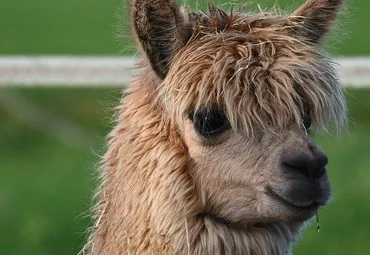
The short answer: people buy alpacas for companionship, fleece, breeding, showing, educational visits, and small-farm life. The best choice depends on what you want the animals to do and whether you can provide suitable herd mates, safe facilities, routine care, and a veterinarian who treats camelids. Decide on your purpose before visiting breeders, rather than choosing an alpaca by its appearance alone.
Who buys and raises alpacas?
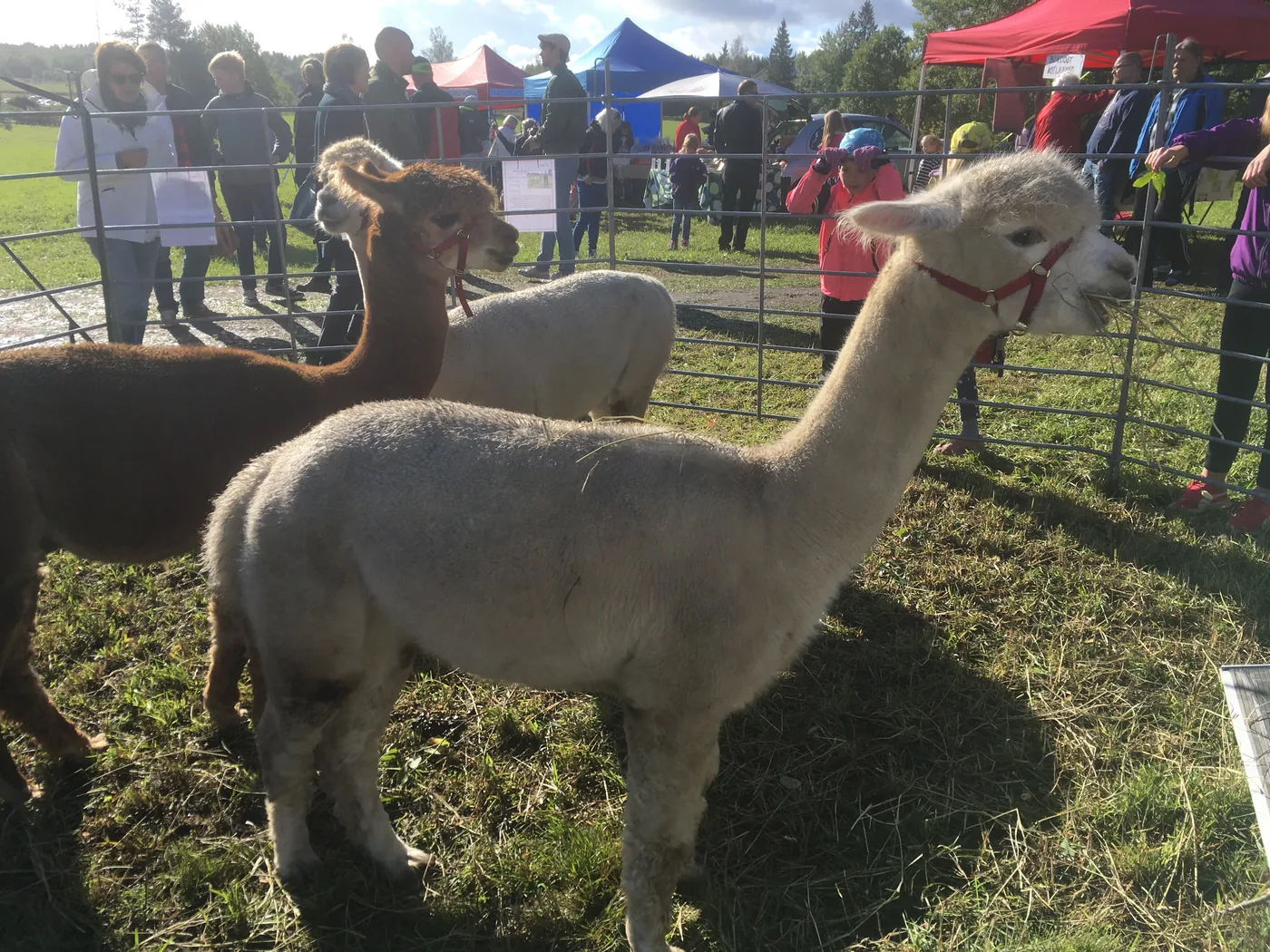
Alpaca owners do not fit a single profile. Some keep a small, nonbreeding herd as companion livestock. Others work with fiber, breed or show registered animals, or welcome guests onto a working farm. What distinguishes these buyers is their goal—not a universal age, profession, or farm size.
- Families and small-acreage owners may enjoy observing a calm herd and learning about livestock care. Alpacas are not toys, and children need supervision around them.
- Fiber enthusiasts value a predictable source of fleece and the connection between an animal and the yarn or felt it produces.
- Breeders and exhibitors seek animals with documented pedigrees, desirable fleece and conformation, and sound reproductive histories.
- Farm-tour and educational operators may include alpacas in supervised visits, demonstrations, or other agritourism programs, subject to local regulations and appropriate animal-welfare practices.
- People changing careers or starting a farm sometimes explore alpacas as one part of a broader agricultural operation. A business plan—not an assumption of easy profit—should guide that decision.
Why do people raise alpacas?
The reasons overlap, but there are meaningful differences between keeping alpacas for companionship and raising them as breeding or fiber stock.
Companionship and enjoyment
A small herd can be enjoyable to watch and manage. Alpacas are social herd animals, however, and human companionship cannot replace other alpacas. A prospective owner should plan for compatible alpaca companions and daily observation, even when no breeding is intended.
Fiber and traditional crafts
Owners may shear their alpacas each year and use the fleece for spinning, felting, or finished products. Before buying for fiber, ask about fleece history and whether you have realistic local options for processing it. For grades, softness, and uses, see the alpaca wool guide.
Breeding and showing
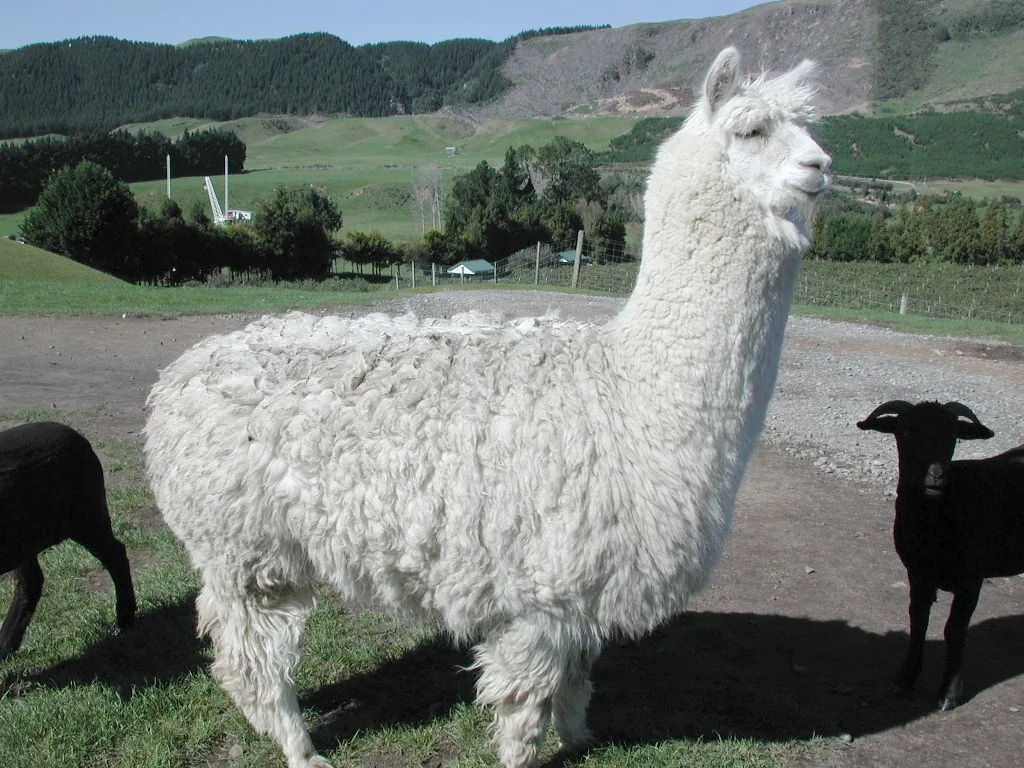
Breeding programs require more expertise than simply keeping a pet herd. Assess health and reproductive records, pedigree, conformation, and the buyer's capacity to care for pregnant females and newborn crias. Showing adds travel, entry requirements, and biosecurity responsibilities.
Education and agritourism
Some farms invite visitors to learn about alpacas, fiber, and agriculture. Animal welfare, visitor safety, insurance, zoning, and the animals' suitability for handling matter more than promotional appeal.
Pet, fiber, breeding, or show alpacas: which should you buy?
| Your goal | What to prioritize | Ask about |
|---|---|---|
| Companion herd | Compatible, healthy alpacas with manageable temperaments | Herd relationships, handling experience, medical history |
| Fiber | Fleece suited to your intended use | Recent fleece samples, shearing record, processing options |
| Breeding | Documented genetics and reproductive suitability | Pedigree, fertility, previous births, veterinary records |
| Showing | Animals suited to the classes you plan to enter | Eligibility, identification, training, show rules |
| Farm visits | Animal welfare, safe handling, and suitable facilities | Behavior around visitors, local regulations, risk management |
Buying a less expensive animal is not necessarily cheaper in the long run. Purchase price is only one part of ownership; our financial guide examines ongoing costs and business risks without duplicating them here.
Are alpacas right for your property and lifestyle?
Before buying alpacas, think through the ordinary days, not just the memorable ones. You need suitable fencing, a safe shelter, a plan for shade and airflow, clean water, feed and hay, pasture management, routine shearing, parasite monitoring, and access to veterinary care. Stocking capacity varies with pasture quality, season, supplemental feeding, and land management; a blanket animals-per-acre promise is not reliable.
Heat and humidity deserve special attention on Southeastern farms. Plan shaded shelter and ventilation and ask a camelid-experienced veterinarian about region-specific health risks. Our alpaca care guide covers daily and seasonal husbandry in more detail.
Alpacas usually prefer to stay near their herd rather than seek frequent physical affection. If you want an animal that likes being hugged or led around by visitors all day, an alpaca may not match your expectations.
Before buying your first alpacas
- Choose your goal. Companion animals, fiber production, breeding, and showing involve different purchase criteria.
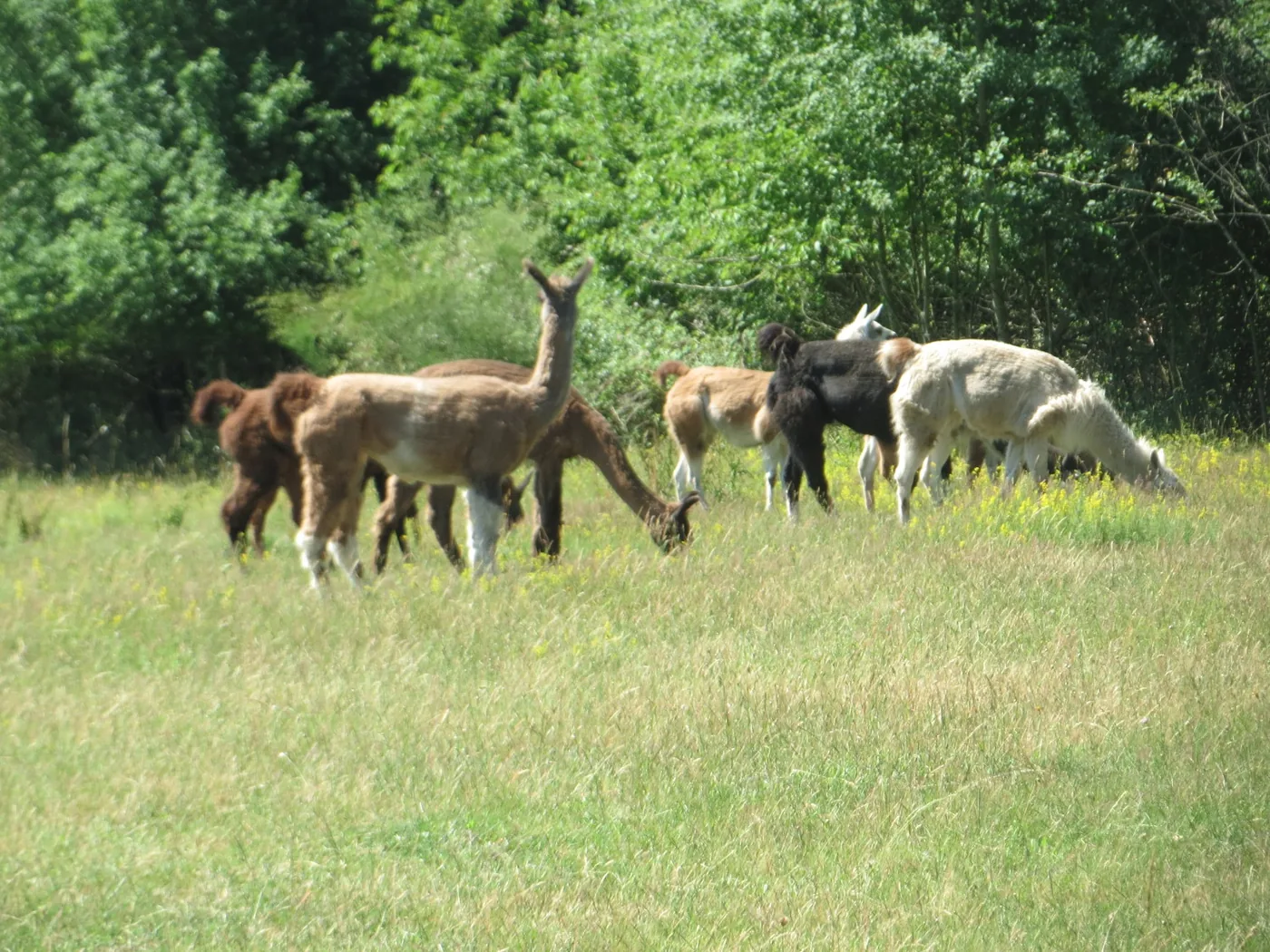
- Arrange herd companionship. Plan for at least two compatible alpacas; a bonded pair may be easier to establish than a lone purchase.
- Find a camelid-experienced veterinarian. Do this before making a deposit. Ask what pre-purchase examination and parasite testing are appropriate.
- Prepare the property. Inspect fencing, gates, water access, shelter, shade, and safe separation areas.
- Visit more than one breeder. Look at the animals' condition and management, not just a sales photo.
- Plan the trip home. Review the destination state's transport requirements and arrange suitable livestock transport. See transporting alpacas for the paperwork and trailer checklist.
- Agree on the sale in writing. Clarify identification, records, payment, delivery, and any post-sale mentoring.
Texas A&M's veterinary guidance emphasizes finding appropriate veterinary care before purchase and avoiding the purchase of a single alpaca without suitable herd companionship. It also advises beginners to consider experienced adult animals rather than raising very young animals without an adult herd.
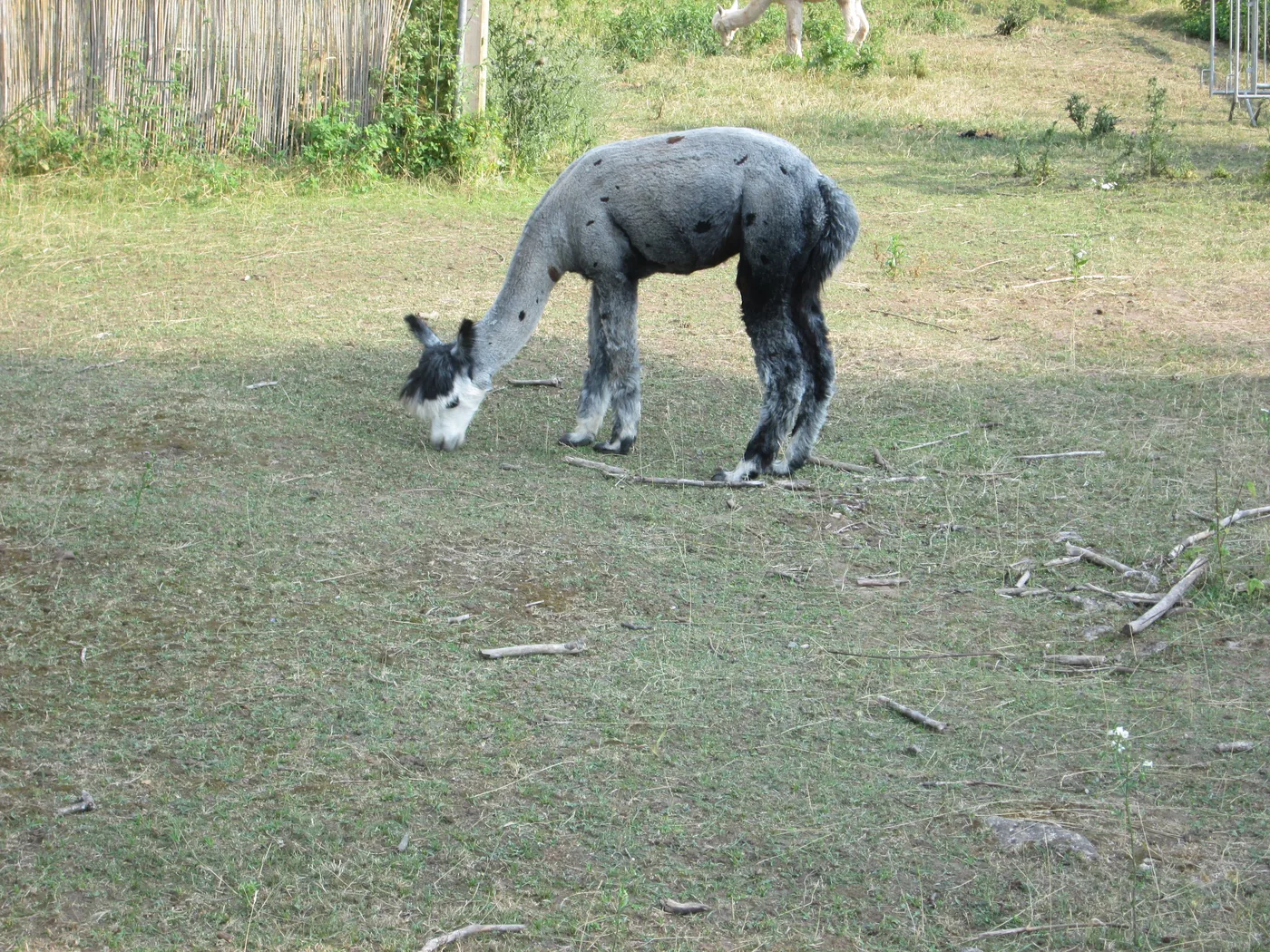
Questions to ask an alpaca breeder
- How old is each alpaca, and how is it identified?
- Can I see veterinary records, parasite-management history, and any relevant test results?
- Which animals already live together comfortably?
- How does the alpaca behave during routine handling and shearing?
- What is its fleece history, if I am buying for fiber?
- Is registration or pedigree documentation available, if it matters to my plans?
- For breeding stock, what is known about reproductive history and suitability?
- Can you explain feeding routines and what the animals are accustomed to?
- What documents and arrangements are included in the sale and transport?
- Will you answer husbandry questions after the animals arrive?
A responsible breeder should be willing to discuss limits and risks as well as benefits. If a claim matters to your purchase, ask for supporting records rather than relying on reassurance.
When should you walk away from an alpaca purchase?
Delay or decline the purchase when you cannot provide herd companions, your fencing or shade is not ready, no veterinarian is available, or the seller discourages a reasonable veterinary assessment. Be cautious about unclear ownership or identification, undisclosed medical problems, pressure to buy immediately, and promises that alpacas are maintenance-free or guaranteed to generate income.
Buying alpacas is a long-term animal-care decision. It is reasonable to visit several farms, ask questions, and postpone a purchase until your setup is ready.
Where to buy alpacas in the Southeastern United States
Start with the site's Southeastern alpaca farms and breeders directory. Ask to visit prospective sellers, observe the herd, discuss local climate and veterinary access, and confirm any applicable entry requirements before transporting animals across state lines. You can also attend a regional show, such as the Southern Alpaca Celebration, to learn about different animals and meet experienced owners.
For background about the species and their behavior, see Discover Alpacas. If breeding is your goal, review what caring for baby alpacas (crias) involves before committing.
Frequently asked questions
Why do people buy alpacas?
People buy alpacas for companionship, fleece, breeding, showing, and educational farm activities. The best choice depends on the owner's goals and ability to meet the animals' needs.
Are alpacas good pets?
They can be enjoyable companion livestock for prepared owners, but they are herd animals, not household pets. They need alpaca companions, space, daily care, and appropriate veterinary support.
Should a beginner buy young or adult alpacas?
Experienced, healthy adult alpacas may be a better starting point. Very young alpacas raised without an adult herd can develop behavioral problems.
Can you keep just one alpaca?
Keeping one alpaca alone is not recommended. Alpacas are social and need compatible herd companions.
Where can I buy alpacas?
Look for established breeders willing to let you visit, discuss management, and provide appropriate records. Start with local farms and compare more than one option.