The Southeastern Alpaca Association (SEAA) is a regional nonprofit founded in 1996 to bring alpaca owners and farms together, promote alpacas in the southeastern United States, and share practical knowledge with the public. What began with people from five farms has a history of educational events, alpaca shows, fiber demonstrations, and support for camelid research.
If you are curious about alpacas, considering your first herd, or looking for people who share your interest in these animals, SEAA offers a place to start. This page introduces the association, the communities it has served, and the resources available through this website.
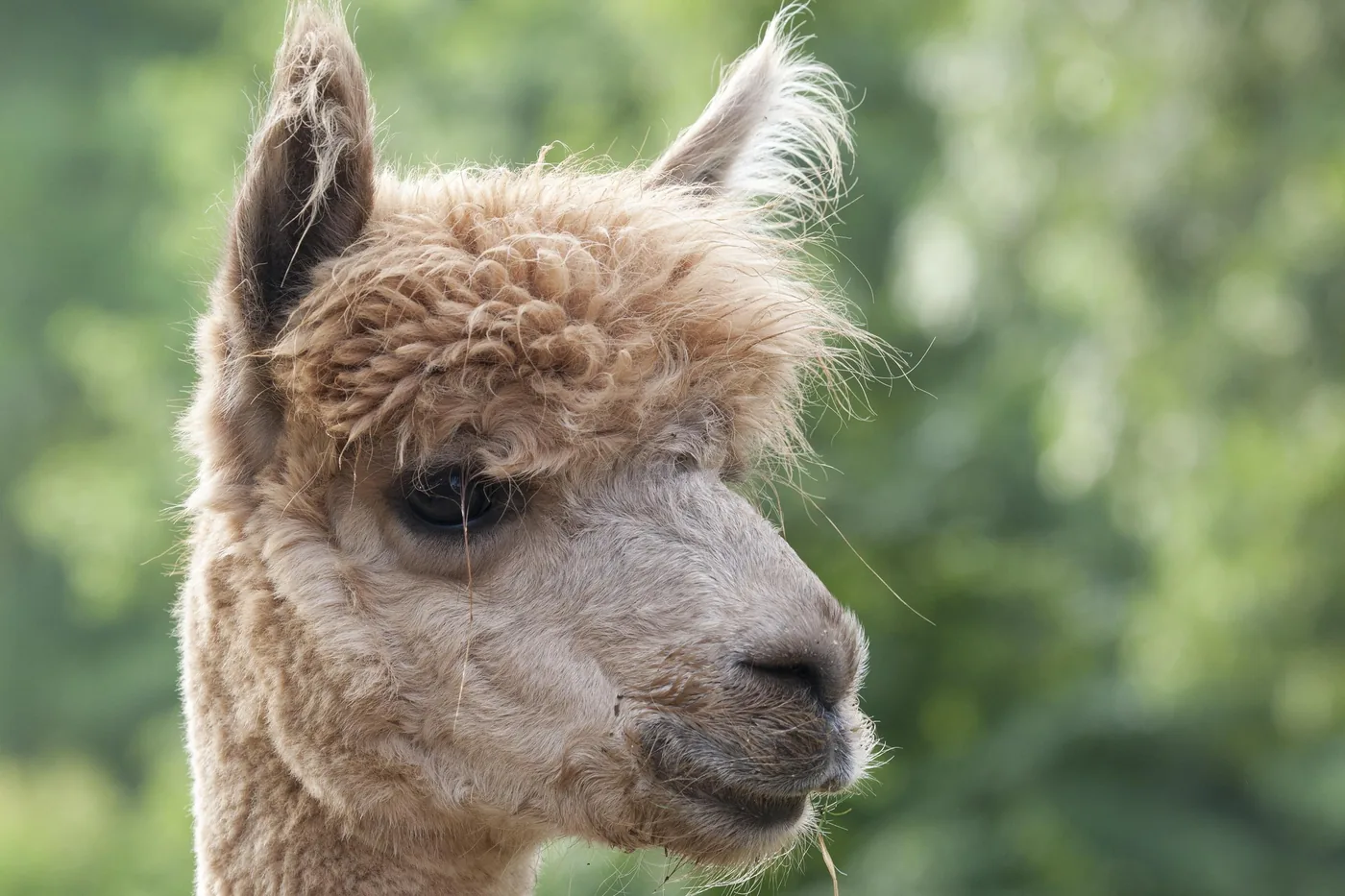
Our mission: alpacas, people, and practical knowledge
Alpacas bring together people with different interests. Some raise a small companion herd; others focus on fleece, breeding, shows, or welcoming visitors to a farm. SEAA's original purpose was to promote alpacas and alpaca farms across the Southeast and make information and connections easier to find.
That purpose continues on this website through introductions to the animals, guides for prospective owners, and links to farms and regional activities. Our emphasis is on realistic expectations, responsible animal care, and a lasting appreciation of alpacas rather than promises of easy profits or effortless ownership.
What the Southeastern Alpaca Association does
- Education and exchange. SEAA's history records shearing clinics, fiber demonstrations, livestock seminars, and presentations on herd health and breeding. Today the site helps make alpaca information accessible to a wider audience.
- Shows and community events. Events such as the Southern Select Alpaca Show brought owners, breeders, exhibitors, and members of the public together. Learn more about the association's show history.
- Connections with farms. Visitors can use the regional farm directory as a starting point for discovering alpaca farms and contacting breeders directly.
- Fiber and craftsmanship. SEAA's historical activities include fleece competitions and demonstrations of spinning, weaving, and other fiber arts. Explore our alpaca fiber guide.
- Research support. Historical records document fundraising for the Alpaca Research Foundation and veterinary research programs, including donations connected with the University of Tennessee and University of Georgia.
These examples describe documented activities across the association's history; they are not a calendar of currently scheduled programs. For current opportunities, consult the relevant event or farm pages.
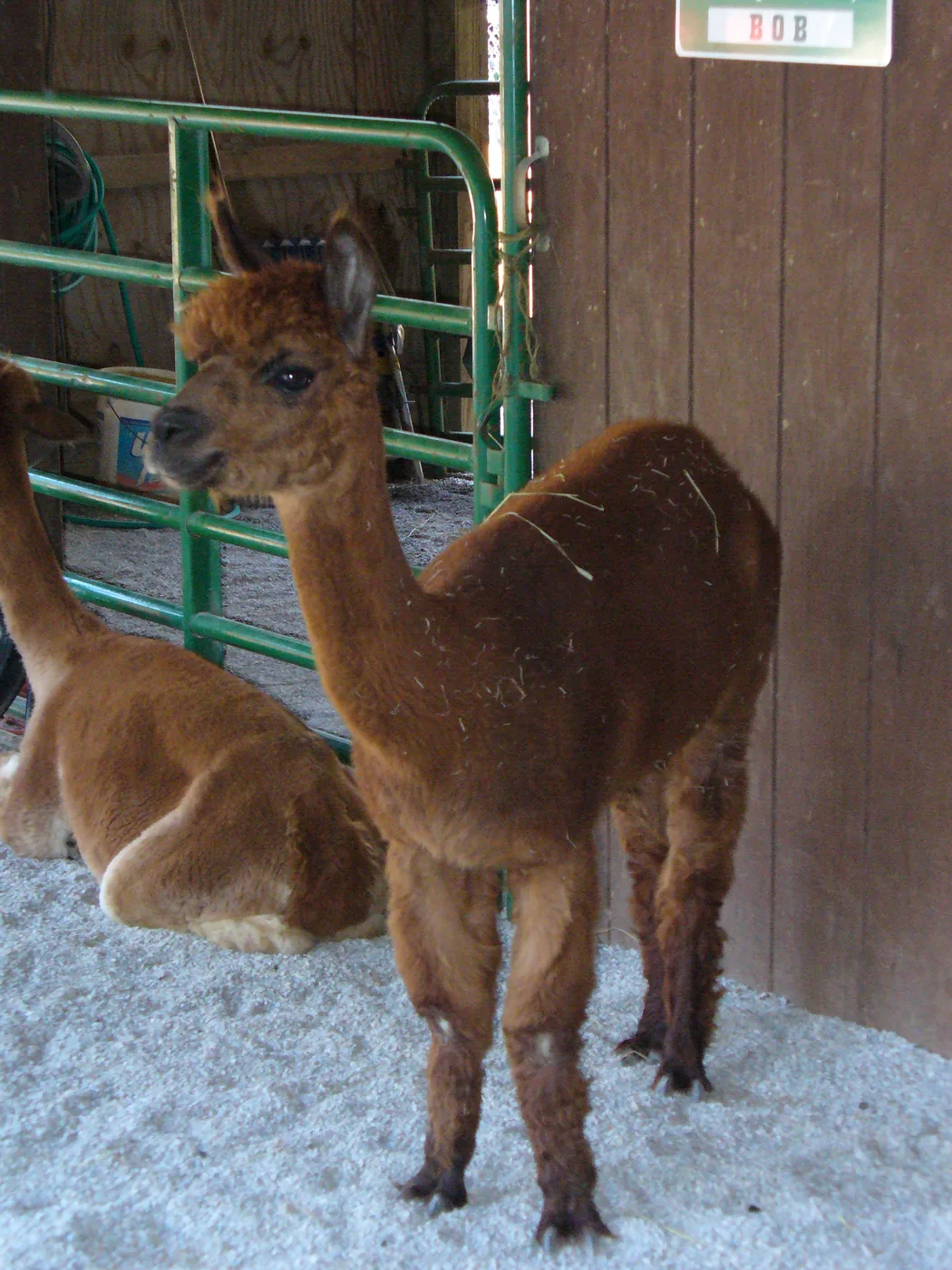
Our story since 1996
SEAA was established in May 1996, when alpaca owners from five farms organized to promote the animals in the region. That September, the association became an affiliate of the Alpaca Owners and Breeders Association (AOBA), the predecessor name of today's Alpaca Owners Association.
| Year | A milestone from the SEAA archives |
|---|---|
| 1996 | Founded by owners from five farms; became an AOBA affiliate and took part in the Georgia National Fair. |
| 1997 | Held the first Southeastern Alpaca Fall Fest at the Georgia International Horse Park in Conyers. |
| 2001 | Organized educational programming and launched the association website. |
| 2002 | Held the first Southern Select Alpaca Show in Cumming, Georgia. |
| 2004–2006 | Expanded shows and educational programs, with fundraising contributions to alpaca and camelid research. |
These are selected historical milestones, not a complete organizational timeline. Read the full SEAA history for more events, names, and archived details.
The nine states in our Southeast region
The association's established regional scope includes Alabama, Florida, Georgia, Kentucky, Mississippi, North Carolina, South Carolina, Tennessee, and Virginia. The states have different landscapes and farming conditions, from the Appalachians to the Gulf Coast, so local advice about shelter, heat, pasture, and veterinary care matters.
We do not present historic membership totals or alpaca registration counts as current statistics. For anyone searching locally, the alpaca farms and breeders directory is a more useful next step than an outdated regional total.
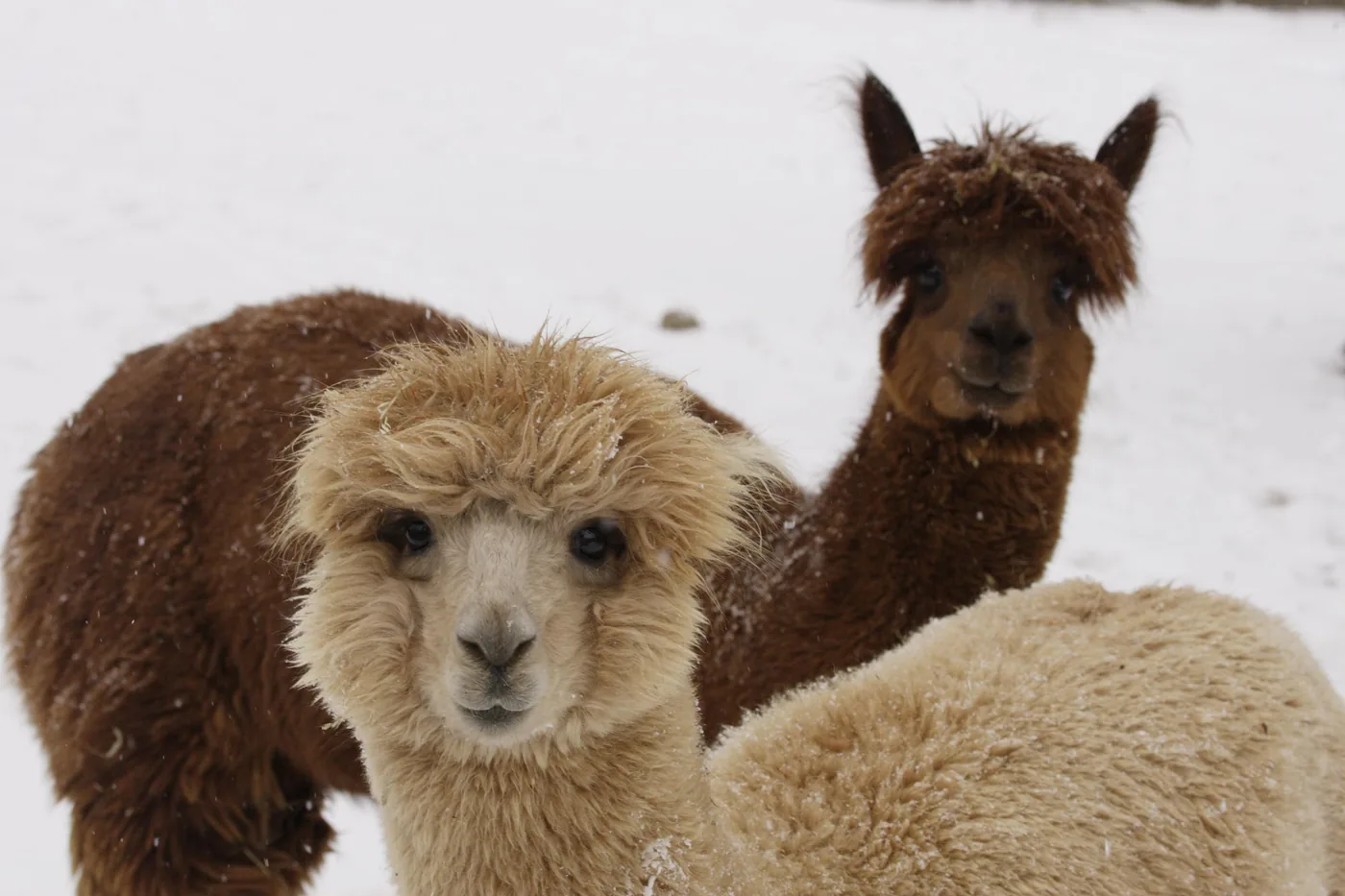
Explore alpacas with SEAA
Whether you are visiting out of curiosity or planning to care for animals yourself, these resources answer different questions without requiring you to search through the entire site.
- New to alpacas? Begin with Discover Alpacas for background and basic characteristics.
- Considering ownership? Read who buys alpacas and why and our care guide for practical responsibilities.
- Interested in llamas, too? See our llama vs. alpaca comparison.
- Looking for an alpaca farm? Visit the farm directory and contact farms directly to confirm availability and visiting arrangements.
- Want more in-depth reading? Browse the alpaca articles collection.
Articles published by SEAA are reviewed and approved by representatives with hands-on alpaca experience before publication. Our Editorial Policy explains the editorial review process and how readers can report corrections.
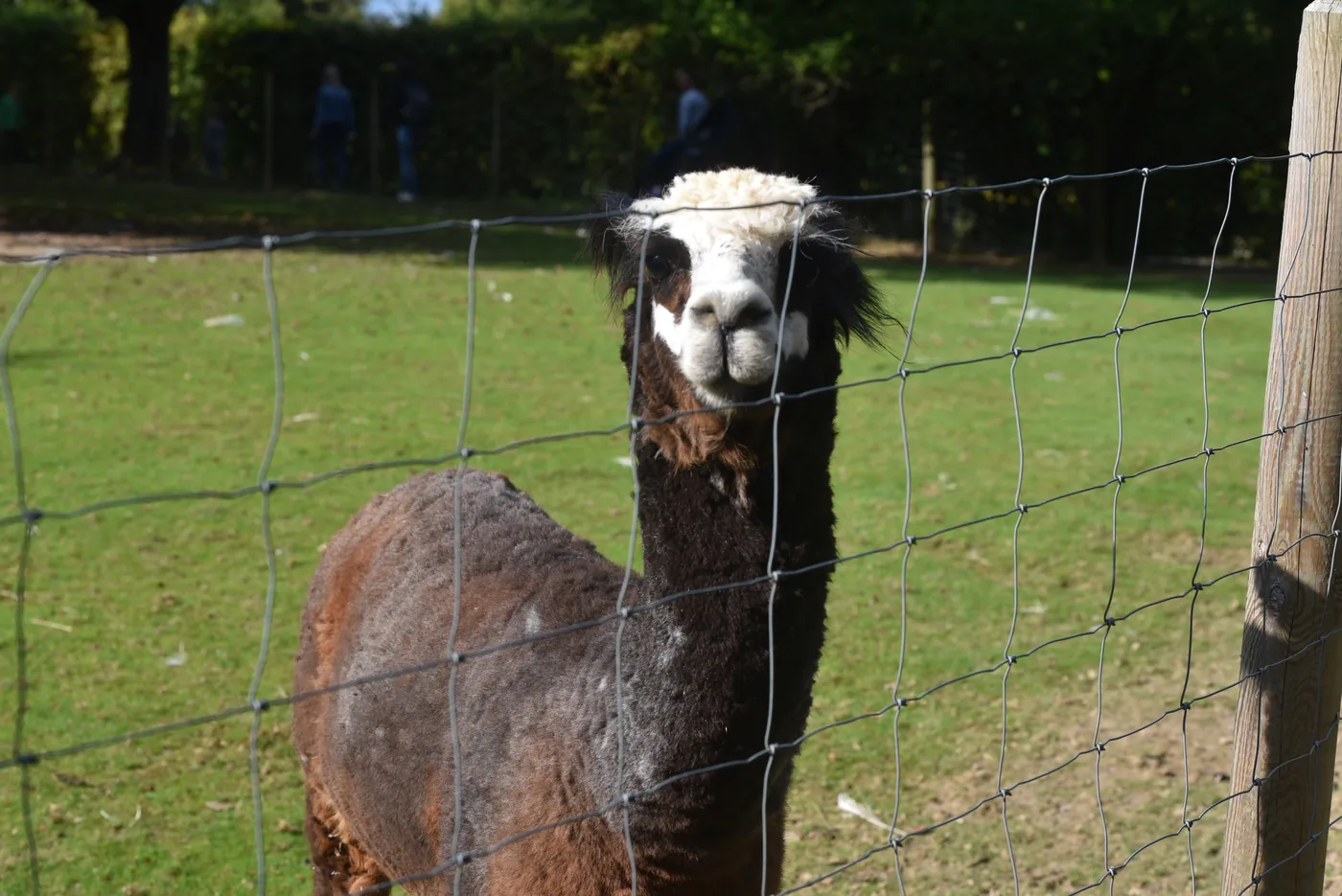
Connect with the association
Questions about the association, its educational resources, or where to begin with alpacas? Contact Southeastern Alpaca Association. If you are seeking a particular animal or farm service, contacting a listed farm directly is the most practical first step.