Meningeal worm, also called deer worm, is a potentially devastating parasite for alpacas and llamas. White-tailed deer carry Parelaphostrongylus tenuis with little apparent harm, but infected slugs or snails can transmit larvae to grazing camelids. In alpacas, the larvae may damage the spinal cord or brain. Trouble walking, weakness, abnormal posture, or other new neurologic signs require immediate veterinary attention. Prevention focuses on reducing exposure and developing a farm-specific parasite plan with a camelid veterinarian.
What Is Meningeal Worm?
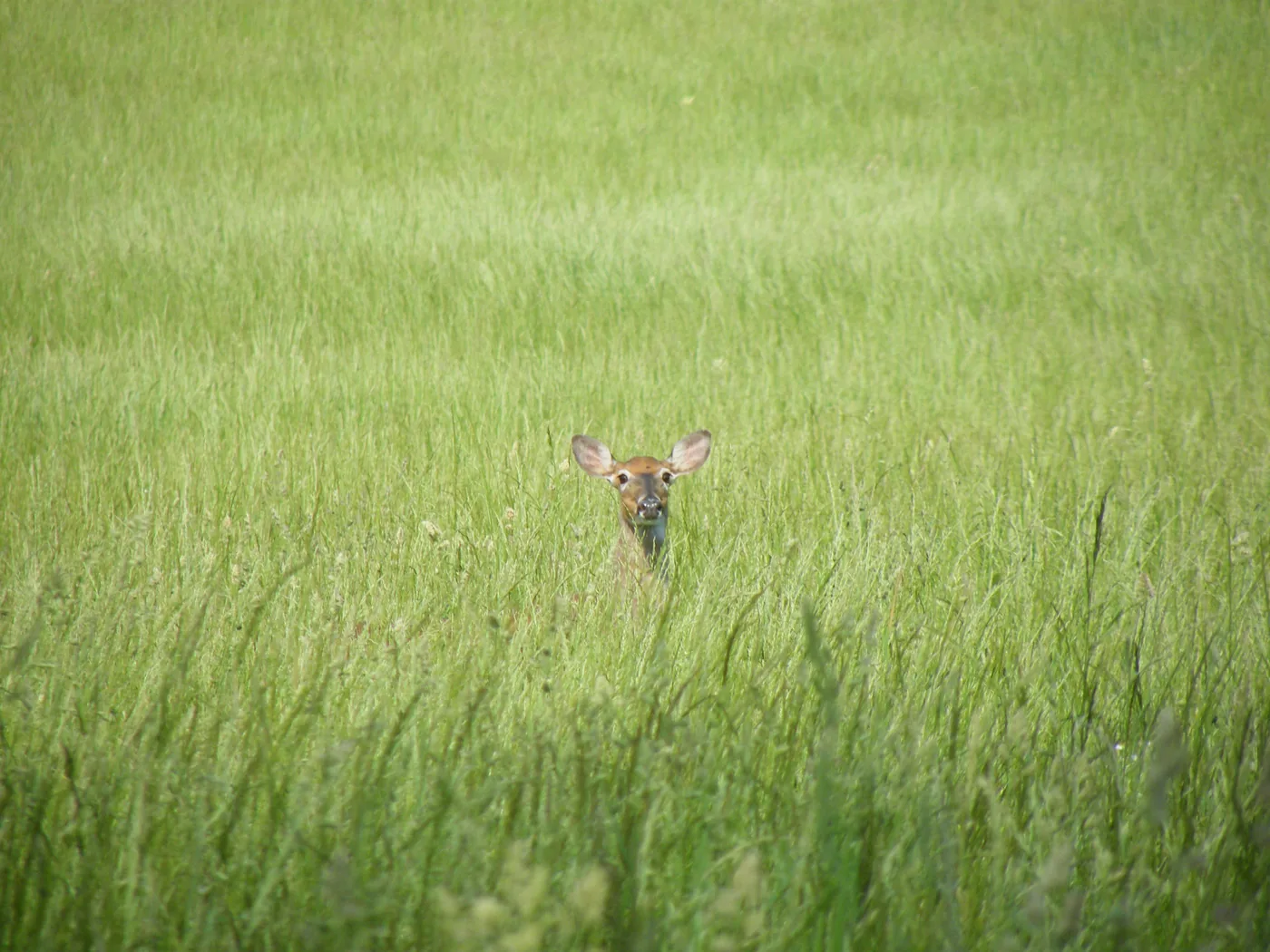
Meningeal worm is the common name for Parelaphostrongylus tenuis, a roundworm naturally associated with white-tailed deer in much of eastern North America. It is also called deer worm or brain worm. The parasite typically does not cause obvious illness in its usual deer host. Alpacas and llamas are accidental hosts; when larvae migrate through their nervous tissue, inflammation and lasting damage can result.
This is not the same as ordinary intestinal worms detected through routine fecal egg counts. Meningeal worm poses a neurologic risk, and standard pasture parasite testing does not reliably rule it out in a sick alpaca.
How Does Meningeal Worm Spread to Alpacas?
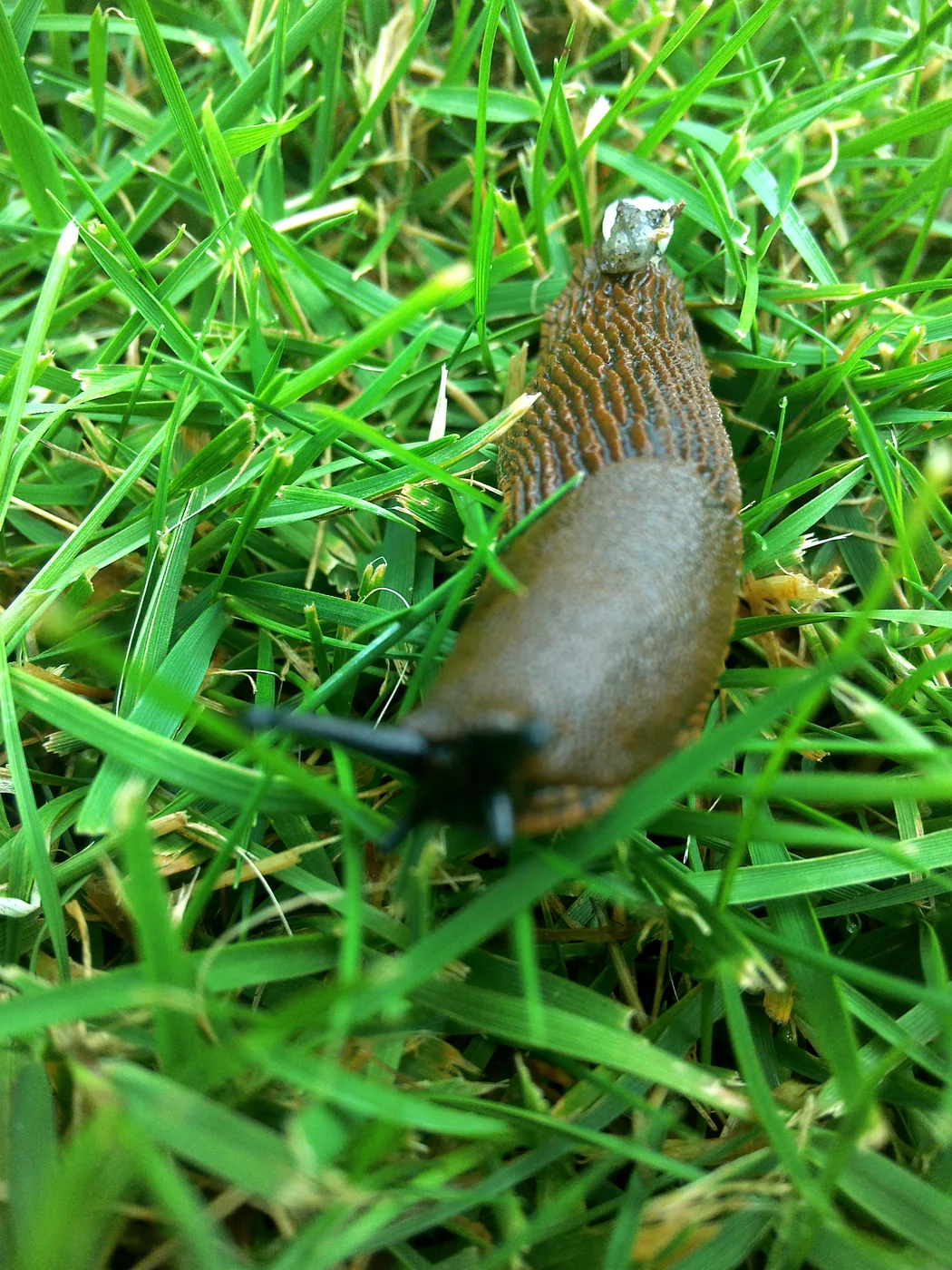
The parasite has an indirect life cycle. Deer shed early-stage larvae in droppings. Land snails and slugs become intermediate hosts, allowing larvae to develop into an infective stage. Alpacas may accidentally swallow infected gastropods while grazing, or encounter infective larvae associated with contaminated vegetation. The larvae then migrate through body tissues and may invade the nervous system. Merely seeing deer near a pasture does not mean an alpaca is infected, but deer activity and moist conditions supporting slugs and snails raise concern.
| Stage | What happens | Why it matters on a farm |
|---|---|---|
| White-tailed deer | Usual host sheds larvae in droppings. | Deer access can introduce the parasite to pasture. |
| Slugs and snails | Intermediate hosts support development of infective larvae. | Moist, sheltered areas deserve attention. |
| Alpaca or llama | Accidental ingestion can lead to abnormal larval migration. | Neurologic illness may be severe and permanent. |
Meningeal Worm Symptoms in Alpacas
Symptoms vary according to where larvae travel and how much nerve tissue is damaged. Some animals show subtle changes first; others decline rapidly. Watch for:
- Unsteady walking, stumbling, or crossing the hind legs.
- Hind-limb weakness, dragging a foot, or trouble rising.
- Unusual head or neck position, incoordination, or abnormal movement.
- Behavior changes, apparent disorientation, or inability to stand.
- Other neurologic abnormalities identified during a veterinary examination.
Do not wait for every symptom to appear. These signs may also indicate spinal injury, other infections, metabolic illness, or toxic exposure. A veterinarian needs to assess the animal promptly and consider those alternatives.
How Veterinarians Diagnose and Treat It
Diagnosis before death can be difficult. A camelid veterinarian may use a neurologic examination, the animal's history, laboratory testing, and cerebrospinal fluid analysis, while ruling out other causes. Evidence of certain inflammatory cells in spinal fluid can support suspicion, but no simple at-home test confirms meningeal worm.
Veterinarians may consider antiparasitic medication and supportive care depending on the case. Outcomes vary, and permanent neurologic deficits can remain even when an animal survives. Treatment is time-sensitive, complicated, and should not be improvised from online dosing advice. Never start a routine ivermectin schedule, increase drug doses, or use unapproved products based only on this article. Preventive anthelmintic programs can contribute to drug resistance and should be weighed against regional risk with a veterinarian.
How to Reduce the Risk on Your Alpaca Farm
There is no single measure that makes a pasture completely risk-free. Effective prevention combines animal observation, land management, and locally appropriate veterinary advice.
- Discuss local risk with your veterinarian. Deer density, climate, property drainage, and previous cases all influence recommendations.
- Limit deer access where feasible. Examine perimeter fencing and avoid attracting deer with feed or accessible stored grain. Fencing effectiveness depends on design and site conditions.
- Manage damp areas. Improve drainage where practical, address persistent wet spots near feeding areas, and remove unnecessary debris that shelters slugs and snails.
- Keep feed and water areas clean. Use feeders that minimize feed contamination from soil and wildlife.
- Observe gait and behavior daily. Knowing an animal's normal movement makes subtle changes easier to recognize.
- Make a veterinary parasite-control plan. Do not copy another farm's medication protocol or assume a monthly dewormer is automatically appropriate.
Snail or slug baits can be toxic to animals and wildlife. Do not apply molluscicides where alpacas can be exposed without professional guidance and careful review of product labeling.
What Southeast U.S. Alpaca Owners Should Know
White-tailed deer are widespread across the Southeast, and humid conditions can favor the gastropods involved in transmission. Actual risk varies substantially between farms, seasons, and local environments. A University of Georgia veterinary review has identified P. tenuis among causes of neurologic disease investigated in regional llamas and alpacas, so the issue is relevant here—not merely a problem for northern farms.
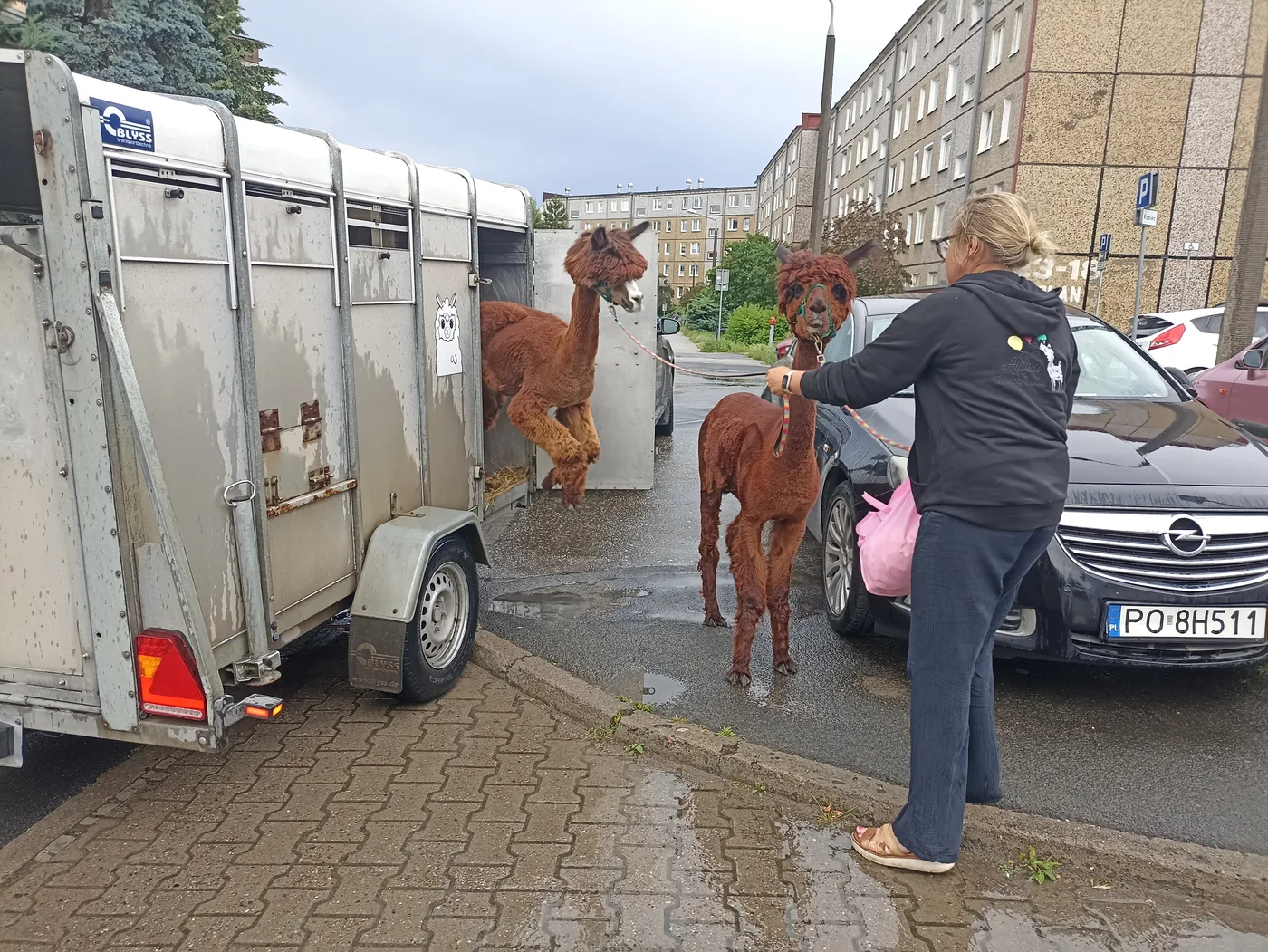
Build prevention into your larger alpaca care plan, and consider drainage, safe fencing, and observation along with hot-weather precautions. If an animal needs veterinary transport, review safe alpaca transportation and follow your veterinarian's instructions for a neurologically impaired animal.
Frequently Asked Questions
Can deer directly pass meningeal worm to an alpaca?
Not by ordinary close contact alone. The parasite normally requires slugs or snails as intermediate hosts before an infective stage can reach a grazing alpaca.
Can a fecal test rule out meningeal worm?
No. Routine fecal testing is useful for many intestinal parasites, but it does not reliably exclude meningeal worm in alpacas. Veterinary assessment of neurologic signs is essential.
Does every alpaca farm need monthly ivermectin?
No universal schedule fits every farm. Preventive medication has been used in high-risk areas, but veterinary sources warn of potential anthelmintic resistance. Discuss actual local risk and alternatives with a camelid veterinarian.
Can an alpaca recover from meningeal worm?
Some animals may survive with treatment, but serious neurologic damage and lasting deficits are possible. Early veterinary involvement matters, and prognosis depends on the individual case.
Is meningeal worm the same as barber pole worm?
No. Meningeal worm primarily causes neurologic disease in accidental hosts, while barber pole worm (Haemonchus contortus) is a gastrointestinal blood-feeding parasite. Prevention, diagnosis, and clinical signs differ.
Bottom line: New weakness or uncoordinated movement in an alpaca is an urgent veterinary concern. Keep deer and wet gastropod habitat in mind, but never assume one cause without an examination.