ALPACA CARE · FLEECE & WELFARE
Alpaca Shearing: When to Shear, What to Expect, and Aftercare
Most alpacas need to be shorn once a year, usually in spring before summer heat arrives. Shearing is not just a haircut for better-looking animals. Removing a heavy fleece helps prevent overheating, makes routine skin checks easier, and produces the fiber that alpacas are known for. For a first-time owner, the safest approach is to book an experienced alpaca shearer and prepare the animals, handling area, and weather plan in advance.
Why Do Alpacas Need to Be Shorn?
Alpacas have been bred for their fleece. Unlike animals that reliably shed an entire seasonal coat, alpacas generally retain growing fiber, so most cannot simply be left to shed naturally. A dense fleece is valuable insulation in cool weather, but the same coat can become a serious liability when temperatures and humidity rise. Annual shearing is therefore a central part of alpaca husbandry, even if you never intend to sell fiber.
Without appropriate shearing, excess fleece can contribute to heat stress and make it harder to notice skin irritation, injuries, external parasites, or contamination. Heavy or matted fleece can also interfere with comfort and cleanliness. The aim is not to shave an animal to the skin; it is to manage its coat safely for its health, local conditions, and subsequent regrowth.
Is shearing cruel or painful?
Correctly performed shearing cuts fiber, not skin, and should not itself be painful. Handling and restraint can still be stressful, and sharp blades can cause cuts if used carelessly. The greatest welfare difference is the operator's skill, preparation, suitable restraint, and attention to the animal's condition. Choose someone experienced with alpacas, not merely a person who cuts sheep or does decorative animal grooming.
When Should Alpacas Be Shorn?
Spring is the usual shearing season. The exact date depends on climate, the length and density of each animal's fleece, and the risk of cold weather after shearing. Alpacas should generally have their thick coats removed before sustained summer heat, with enough time afterward to grow protection for cooler months.
In the southeastern United States, a farm in coastal South Carolina or Florida may face oppressive heat and humidity earlier than a farm at higher elevation in the Appalachians. That makes a local calendar more useful than one national shearing date. Book early: experienced shearers travel between farms and spring appointments fill up.
| Situation | Planning consideration |
|---|---|
| Typical healthy adult | Schedule annual spring shearing ahead of sustained heat. |
| Early hot or humid spring | Consult a local experienced shearer about an earlier safe window. |
| Cold snap after shearing | Have accessible dry shelter and a weather-management plan. |
| Cria or very young alpaca | Discuss age, fleece, weather, and health individually; do not assume the adult schedule. |
| Pregnant, elderly, thin, or ill animal | Plan appropriate handling and timing with your camelid veterinarian and shearer. |
| Suri or unusually slow-growing fleece | Ask an experienced adviser about an individualized schedule; not all coats are identical. |
Both the British and Australian Alpaca Associations describe annual shearing as the norm, while acknowledging circumstances that can alter timing. The British Alpaca Society notes that some Suri alpacas may be shorn every other year. This is not a reason to skip shearing on your own without evaluating the animal and local climate.
How Does Professional Alpaca Shearing Work?
Alpacas are not normally shorn in quite the same position as sheep. Professional alpaca shearers commonly use a purpose-designed ground mat or shearing table, with trained assistants and controlled restraint. The animal is positioned on its side while the shearer removes the fleece, then carefully repositioned to reach the other side. Methods vary; minimizing struggling, twisting, time in restraint, and risk to the animal is more important than copying a particular technique from an online video.
The sequence owners can expect
- Confirm the animal and its condition. The team identifies any pregnancy, illness, injury, or handling concern before starting.
- Use a clean, dry shearing station. Sharp, maintained equipment and a calm workflow reduce delays and accidental cuts.
- Restrain and shear safely. A practiced team supports the animal while the blanket or saddle fleece is removed, followed by remaining areas as appropriate.
- Separate and label fleece. Cleaner, finer blanket fiber is commonly kept apart from coarser leg, belly, and other seconds.
- Check the animal. The team looks for cuts, skin concerns, and other issues that were concealed under fleece before release.
An experienced shearer may finish the main shearing work quickly, but total time per alpaca depends on the animal, staff, equipment, and whether other husbandry tasks are scheduled. Do not rush the handling simply to match a published number of minutes.
A Practical Shearing-Day Checklist
Most preventable problems begin before the clippers are switched on. A few decisions about logistics, weather, and handling make the day safer and less stressful.
- Book an alpaca-experienced shearer. Ask about assistants, handling method, equipment, minimum farm fees, and what you must provide.
- Keep animals and fleeces dry. Arrange covered holding if rain is forecast. Wet or dirty fiber complicates handling and processing.
- Use a clean, non-slip work area. Clear loose equipment, trip hazards, wire, and obstacles; keep spectators away from moving animals and blades.
- Prepare a quiet route in and out. Sort animals and confirm identifiers without chasing or prolonged excitement.
- Provide shade, ventilation, and water. Especially important during warm, humid southeastern springs.
- Have clean fleece bags and labels ready. Label each animal's fleece promptly if you intend to sort or sell it.
- Identify special cases ahead of time. Tell the shearer about pregnancy, mobility limitations, injuries, or a known handling problem.
- Agree on companion procedures in advance. Toenails, teeth, or veterinary care should be handled by appropriately trained people, with safe timing; not every procedure belongs on shearing day.
Some owners ask whether feeding should be withheld before shearing. Do not impose a fasting schedule based on a generic internet article. Discuss any holding or feeding instructions with the shearer and veterinarian, especially for young, pregnant, ill, or underconditioned animals.
How to Care for a Newly Shorn Alpaca
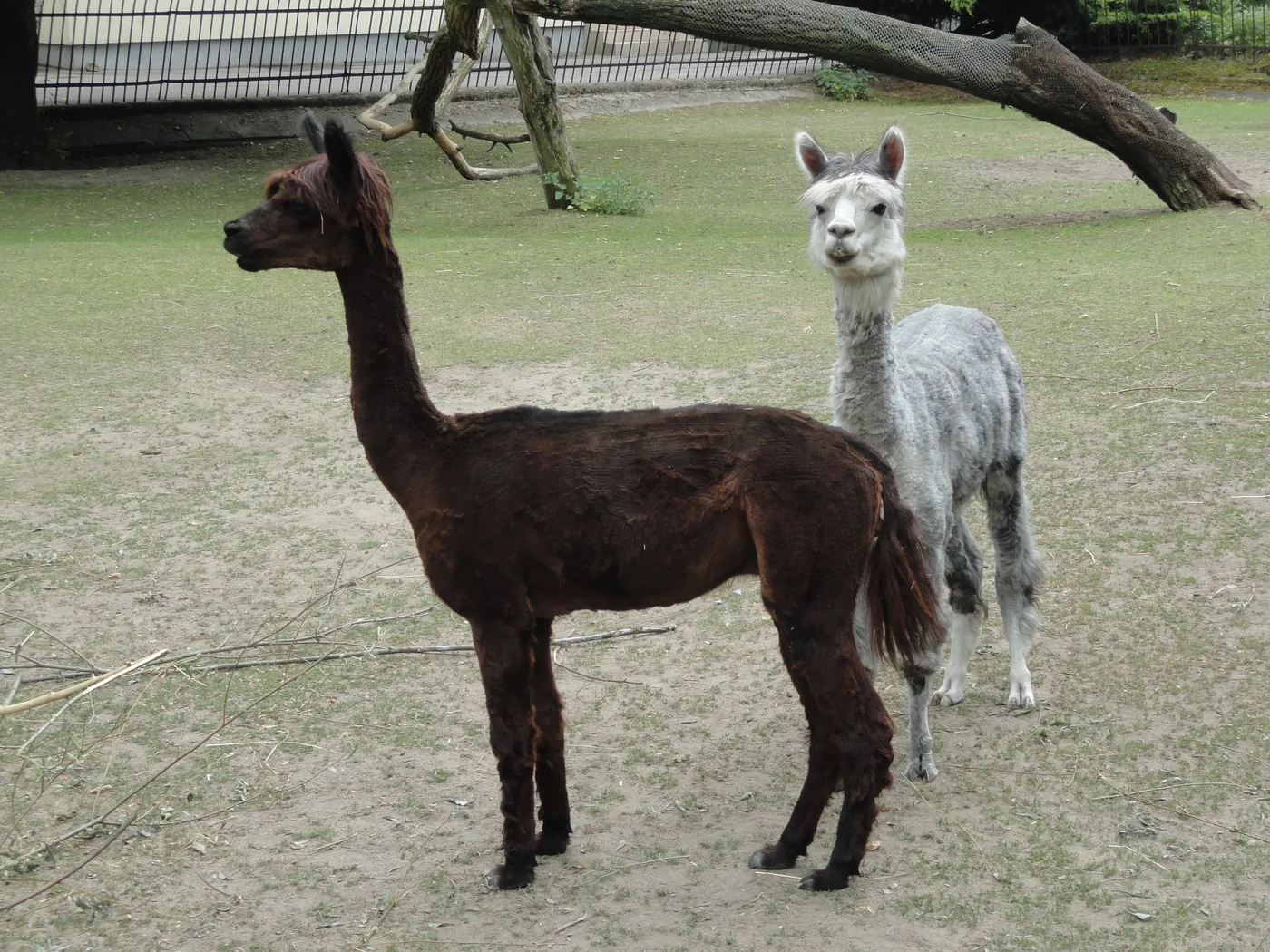
The first days after shearing deserve as much attention as the event itself. A freshly shorn alpaca has lost much of its insulation and may be sensitive to chill, rain, wind, strong sun, or rapid changes in temperature. Animals should have shelter and space to choose a more comfortable microclimate.
| Aftercare check | What to do |
|---|---|
| Weather and shelter | Provide dry, accessible protection from rain and wind, plus shade in hot sun. |
| Water and forage | Restore easy access to clean water and normal suitable forage after handling. |
| Skin and accidental cuts | Inspect for wounds, excessive bleeding, irritation, and follow veterinary advice if needed. |
| Behavior | Watch for marked weakness, prolonged distress, difficulty walking, or unusual isolation. |
| Heat or cold stress | Monitor the animal and weather closely; seek veterinary help promptly for concerning signs. |
When to call the veterinarian: difficulty breathing, collapse, severe weakness, persistent bleeding, inability to stand normally, or signs of severe heat stress warrant urgent attention. Shearing does not remove the need for good ventilation, shade, and water during a hot southeastern summer.
For broader year-round management, see the alpaca care guide, and for feed and hydration fundamentals, read what alpacas eat.
What Happens to Alpaca Fleece After Shearing?
Shearing produces different grades of fiber, not one uniformly soft pile of wool. The fleece from the back and sides, often called the blanket or saddle, may be suitable for fine yarn or other higher-value processing. Fiber from the belly, lower legs, and other areas can be shorter, coarser, or more contaminated and is typically sorted separately. Its usefulness depends on actual quality, not just which part of the animal it came from.
Keep fiber clean and dry. Label it by animal if you want to assess fiber quality, compare annual fleeces, or track breeding records. Check the requirements of any fiber mill before washing, skirting, or packaging; mills vary in what they accept. Learn more in our guide to alpaca wool and fiber.
Why do some alpacas get funny haircuts?
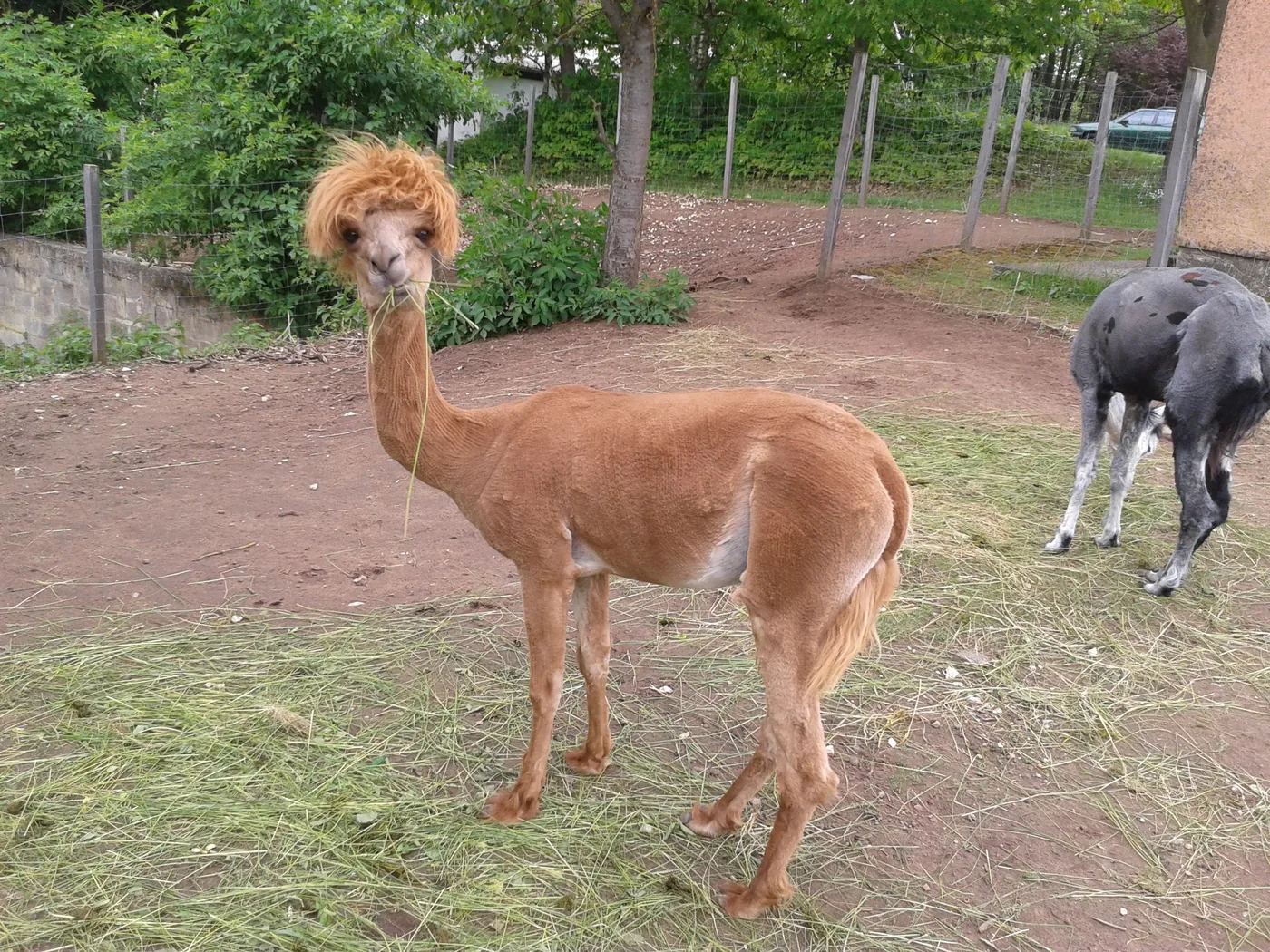
The internet is full of alpacas with fluffy heads, narrow necks, or dramatic topknots. Some of these are real post-shearing styles; others are simply the result of trimming different body areas for comfort or leaving fiber where protection is needed. A humorous-looking cut is not necessarily poor husbandry, and a perfectly symmetrical cut does not guarantee safe handling.
Avoid treating novelty hairstyles as the purpose of shearing. Visibility, animal comfort, weather, and skin protection are more important than a photograph.
Frequently Asked Questions About Alpaca Shearing
Do alpacas have to be sheared?
Most do. Their fleece generally does not shed out naturally in a way that replaces routine shearing, and excess fiber can increase heat-stress and skin-care risks. Ask a knowledgeable professional if your animal has an unusually thin coat or special medical circumstances.
How often do alpacas need a haircut?
Usually once each year, commonly in spring. Coat type, growth, age, health, and climate can justify individual adjustments.
What is the best month to shear alpacas?
There is no single correct month across the United States. Plan for spring before prolonged summer heat while accounting for local late-season cold snaps. Southeastern farms should coordinate dates with a local camelid-experienced shearer.
Does shearing hurt alpacas?
Cutting fleece does not itself hurt when done correctly, but poor restraint and careless equipment use can cause stress, cuts, or injury. Skilled handling and aftercare matter.
Can you shear an alpaca yourself?
It is possible with proper equipment, training, and a safe team, but beginners should hire a professional rather than attempt restraint and clipper work without instruction.
Can alpacas overheat even after they are shorn?
Yes. Shearing reduces the insulation from heavy fleece but does not eliminate heat stress. Shade, airflow, water, and appropriate monitoring remain essential.
What happens if you never shear an alpaca?
For most alpacas, the fleece can become excessively long and dense, raising the risk of overheating, contamination, skin problems, and discomfort. Do not deliberately skip routine care.
How much does alpaca shearing cost?
Rates vary by region, travel distance, herd size, and services included. Get a local written quote that distinguishes the per-animal fee from any farm call or travel charge; avoid relying on a national estimate that may not reflect your location.