ALPACA BEHAVIOR & COMMUNICATION
Do Alpacas Spit? Why They Do It and What It Means
Yes, alpacas spit. But most of their spitting is directed at other alpacas, not people. It is a way to say “back off,” settle a disagreement over food or personal space, or reject an unwanted advance. People are more likely to be caught in the middle of an alpaca disagreement than deliberately targeted by a relaxed, well-handled animal.
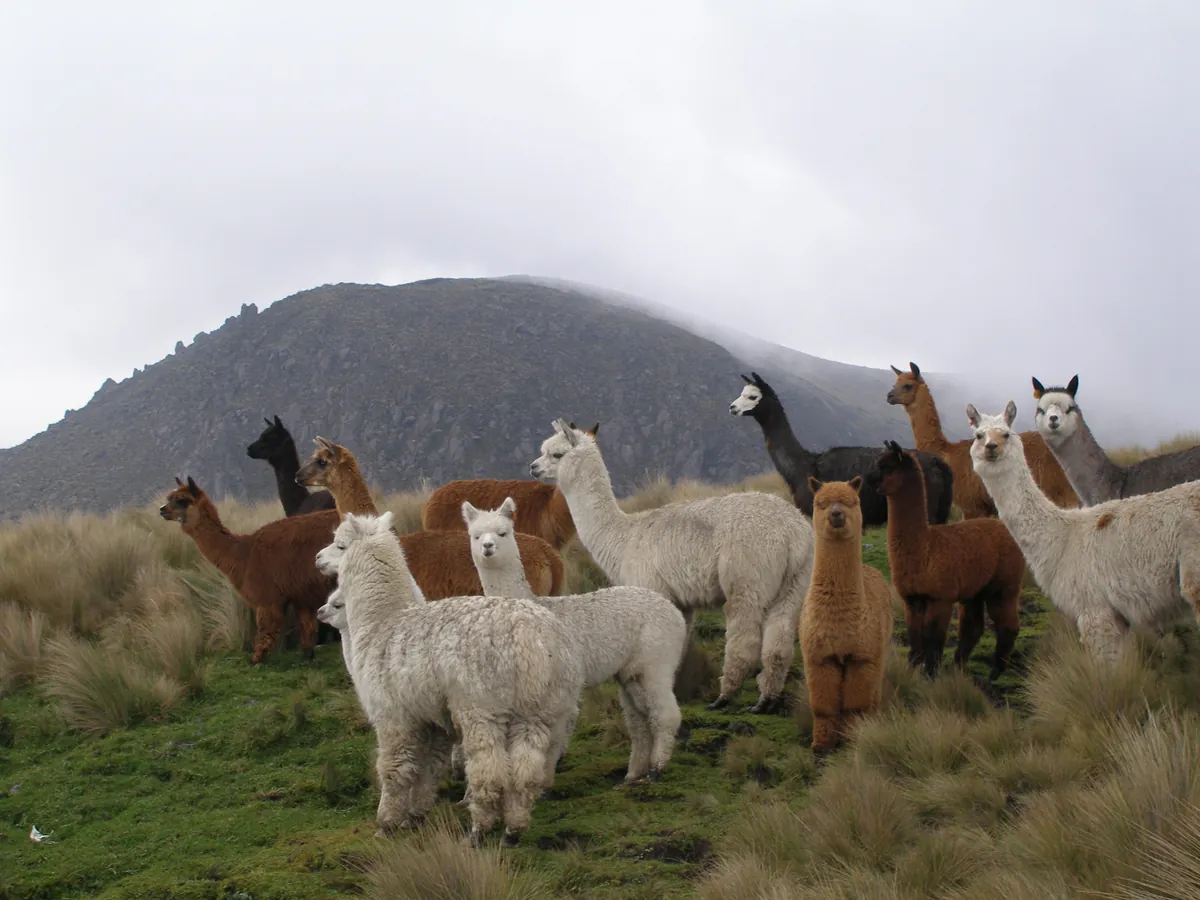
- Do alpacas spit at people? Sometimes, particularly when frightened, crowded or handled in a way they dislike; intentional spitting at people is less common than alpaca-to-alpaca spitting.
- Do all alpacas spit? They are capable of it, though individuals differ in temperament and how often they use it.
- Is it dangerous? It is unpleasant and can expose your face to saliva or regurgitated material. Avoid direct contact with eyes and mouth.
- Can you prevent it? You can reduce risk by respecting warning signals, providing feeding space and using calm handling.
Why do alpacas spit?
Spitting is normal camelid communication. Like body posture, ear position and vocalizations, it helps an alpaca signal that another animal has crossed a boundary. Spitting is not evidence that an alpaca is inherently mean or badly behaved.
Food and feeding-space disputes
A crowded feeding area is one of the easiest places to see an alpaca spit. One animal may swing its head toward a neighbor that comes too close to its hay or feed. Another may retreat before any spit happens. That interaction is a message about space, not a reason to assume the entire herd is aggressive.
Disagreements within the herd
Alpacas live in groups and communicate constantly. A dominant or irritated animal may spit when another crowds it. Spitting can occur alongside head movements, pinned ears, vocal warnings and changes in stance. Watch the full interaction rather than treating a single gesture as a diagnosis of temperament.
Fear, pain or uncomfortable handling
Even an alpaca that is usually relaxed may react defensively if cornered, chased, grabbed or restrained. During veterinary examination, shearing and other necessary procedures, thoughtful handling and a safe setup help reduce stress. A sudden change in behavior can also indicate discomfort or illness, so persistent unusual reactions warrant a discussion with a camelid-experienced veterinarian.
How can you tell an alpaca is about to spit?
There is no perfect countdown, but alpacas often show unease before escalating. Merck Veterinary Manual describes ears pinned back and a lifted head as important signs of an upset camelid. Depending on the animal and situation, other warnings may accompany them.
| What you notice | What it may mean | What to do |
|---|---|---|
| Ears pinned back | Irritation or unease | Pause and give the animal room |
| Head raised or turned sharply toward another animal | Attention to a nearby conflict | Move out of the line between animals |
| Repeated avoidance or moving away | Desire for more distance | Do not pursue or corner it |
| Agitated vocalization or sudden defensive posture | Increasing discomfort | Stop the interaction and reassess |
Context matters: ears may move as an alpaca listens, and raising the head alone does not prove a spit is coming. Treat the combination of signals and the immediate situation as the useful clue.
What is alpaca spit made of?
Not every spit is the same. A brief warning may be mostly air and saliva. A stronger spit can contain material brought up from the foregut, making it particularly foul-smelling and unpleasant. This is why it is worth respecting an alpaca's first warning rather than testing how far it will go.
If you are spat at, turn away, avoid rubbing your eyes, and wash exposed skin. Rinse the eyes with clean water if material enters them. Seek medical advice if irritation persists, you have significant eye exposure, or you develop symptoms after contact. There is no need to retaliate or punish the alpaca.
Do alpacas spit at humans?
They can, but spitting at people is not their usual first choice. Michigan State University Extension notes that camelids rarely spit at humans and may do so when scared, threatened or uncomfortable. The Tennessee Alpaca Association also points out that visitors are sometimes hit accidentally when standing in the crossfire of two disagreeing alpacas.
During a farm visit, stay clear of animals arguing over hay and follow the handler's instructions. Approach slowly, avoid reaching unexpectedly toward the face, and let an alpaca choose whether to approach. Those habits make the experience safer for both visitors and animals.
How to reduce spitting in a herd
You cannot—and should not try to—eliminate every normal communication signal. The practical goal is to remove avoidable conflicts and make routine care less stressful.
- Give animals adequate feeding space. Avoid creating a single crowded point where every animal must compete for access.
- Respect personal space. Back away when an alpaca repeatedly turns from you or moves off.
- Keep handling predictable. Calm, consistent routines and appropriate facilities are better than chasing and cornering animals.
- Read the whole herd. A person standing between two squabbling animals may be struck by a spit meant for the other alpaca.
- Consider pain or illness. If a normally tolerant alpaca starts reacting aggressively during touch or handling, investigate the cause with your veterinarian.
- Teach visitors what to notice. A short briefing about ears, body language and feeding boundaries can prevent unpleasant encounters.
For a broader daily routine, see our alpaca and llama care guide, including feeding, shelter and seasonal management. In the humid Southeast, shade, ventilation and good access to water are especially important parts of comfortable handling and herd management.

Why might a female alpaca spit at a male?
During breeding, a female may reject a male by refusing to sit, moving away or spitting. Breeders call this a spit-off. It can support suspicion that the female is no longer receptive, and pregnancy is one possible reason. A spit-off is not a definitive pregnancy test. Hormonal changes and other factors can produce a misleading response; veterinary ultrasonography is used to confirm pregnancy.
Breeding decisions should be made with an experienced veterinarian rather than relying on behavior alone. For information about cria development, visit our guide to baby alpacas and their first months.

Do alpacas spit more than llamas?
Both species spit. An individual's temperament, level of stress, handling history and circumstances matter more than a simplistic ranking. Spitting alone is not a reliable way to identify an animal. For the more useful distinguishing features—body size, ears, fleece and typical roles—read our llama vs. alpaca comparison.
Frequently asked questions
Do alpacas spit when they are happy?
Spitting is generally associated with rejecting, warning or expressing discomfort, not a typical greeting or sign of affection.
Do baby alpacas spit?
Young alpacas can develop spitting as part of normal social communication. Their behavior should be interpreted in context, just as with adults.
Do alpacas spit at strangers?
Being unfamiliar does not automatically make a visitor a target. Calm approaches and sufficient distance matter more. A nervous or crowded animal may react defensively to anyone.
Can you train an alpaca not to spit?
You can encourage cooperative handling and reduce situations that trigger defensive behavior. Spitting between herd mates is natural communication, so a promise to eliminate it entirely would be unrealistic.
Is alpaca spit poisonous?
No, it is not venom. However, saliva and regurgitated foregut material can be unhygienic and irritating, particularly if they reach the eyes or mouth.
The bottom line
Alpacas really do spit, but usually for a reason. Learn the warning signals, give them space and avoid crowded feeding or handling situations. The better you understand their communication, the easier it becomes to appreciate their generally quiet, observant nature.